Text: Robin Antolović
At the beginning of November, an interdisciplinary conference ‘Life of Crops: Towards an Investigative Memorialization’ curated by Milica Tomić, Dubravka Sekulić and Övül Durmusoglu (Institute for Contemporary Art, Technical Univesity of Graz) was held in Graz bringing together different practices investigating memorialization politics. Taking on her presentation of the project Radio Ghetto Relay – on the issues of representation and life of migrants in Italy, we are bringing an interview with Alessandra Ferrini.
Alessandra Ferrini is a London based visual artist, educator and researcher. Her work is rooted in lens-based media, (post)colonial and memory studies, historiographical and archival practices. Experimenting with the expansion and hybridization of the documentary film, she is dealing with the production of historical narratives. In particular, she is preoccupied with questioning the legacies of Italian colonialism and fascism with a specific interest in the past and present relations between Italy and the African continent. Spanning from filmmaking to installation and performance-lectures, her work often unfolds through dialogic formats, collaboration, editorial and pedagogic activities.
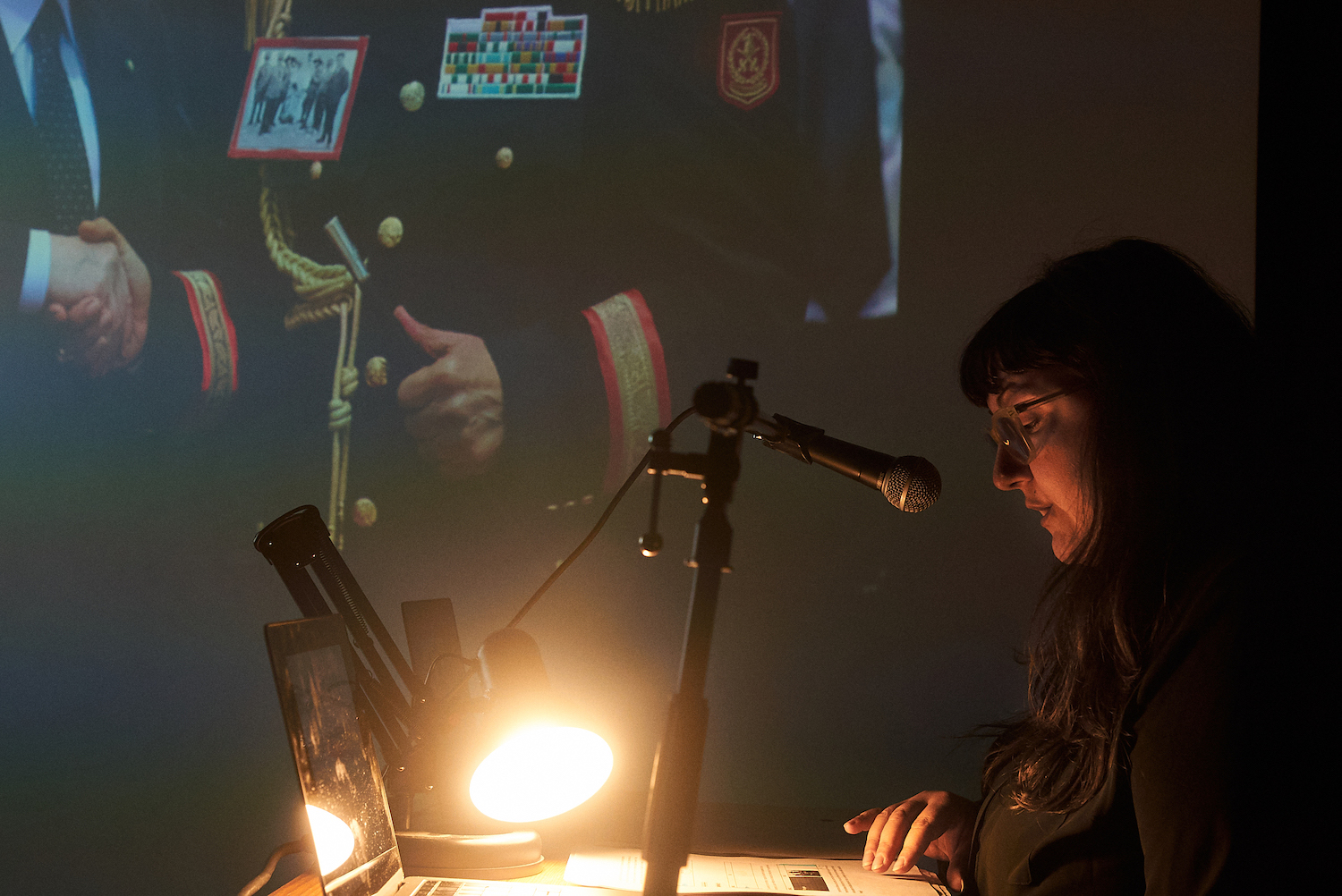
*Alessandra Ferrini at Kino Wolf, Berlin (organised by Archive Books/Kabinett), 2019
► You collaborated on the project Radio Ghetto, Voci Libere, that you presented in Graz. Can you briefly explain what is the context of this project?
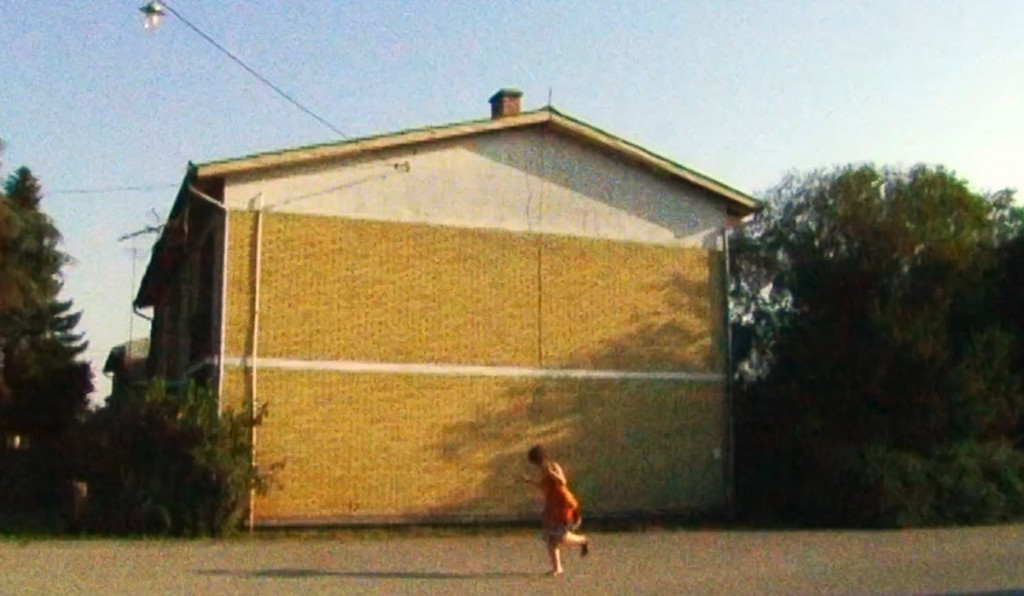
Alessandra Ferrini: Radio Ghetto Voci Libere is a project of ‘participated communication’ that provides a platform to the exploited agricultural workers (mostly coming from Sub Saharan Africa) and formerly residing in the shantytown called Gran Ghetto of Rignano Garganico. It was born in 2012. when a group of activists decided to support the strikes and uprisings of the harvesters by setting up a radio at the Gran Ghetto that would help them getting organized and share their life experiences thus also serving to warn others that may be at risk of being lured to Italy to exploitative work in agriculture. The video Radio Ghetto Relay came out of what I define as a ‘remote collaboration’ and was planned with the radio members. Since the beginning of our collaboration, I envisioned my position as that of a translator: indeed, the work focuses on the translation of a selection of the radio’s broadcasts archive into English. This was then overlaid over a series of evocative textures and imagery from Google Earth and Streetview, as I looked for a trace of the Gran Ghetto and the harvesters within the rural landscape – which at first appeared devoided of human presence.
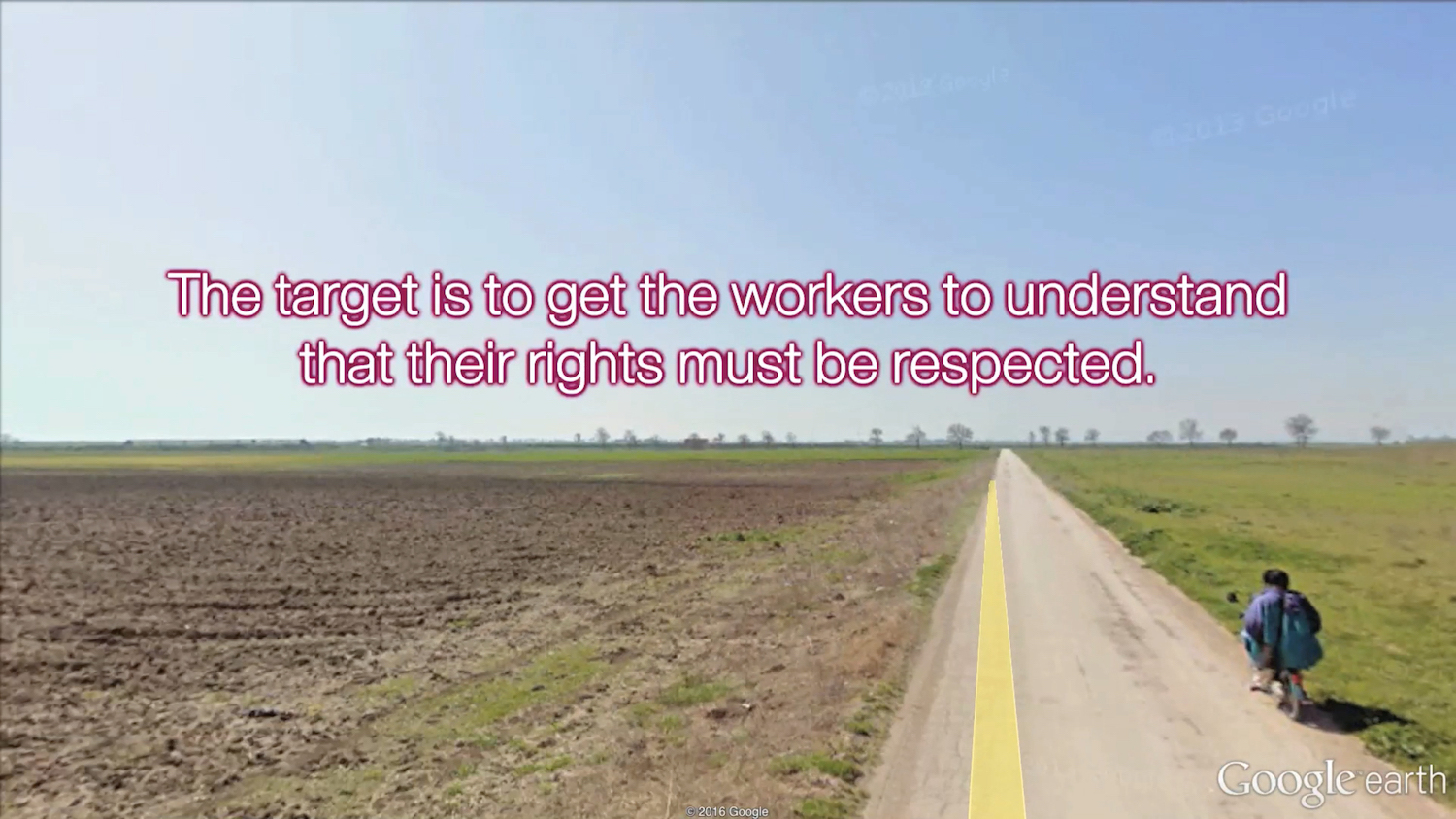
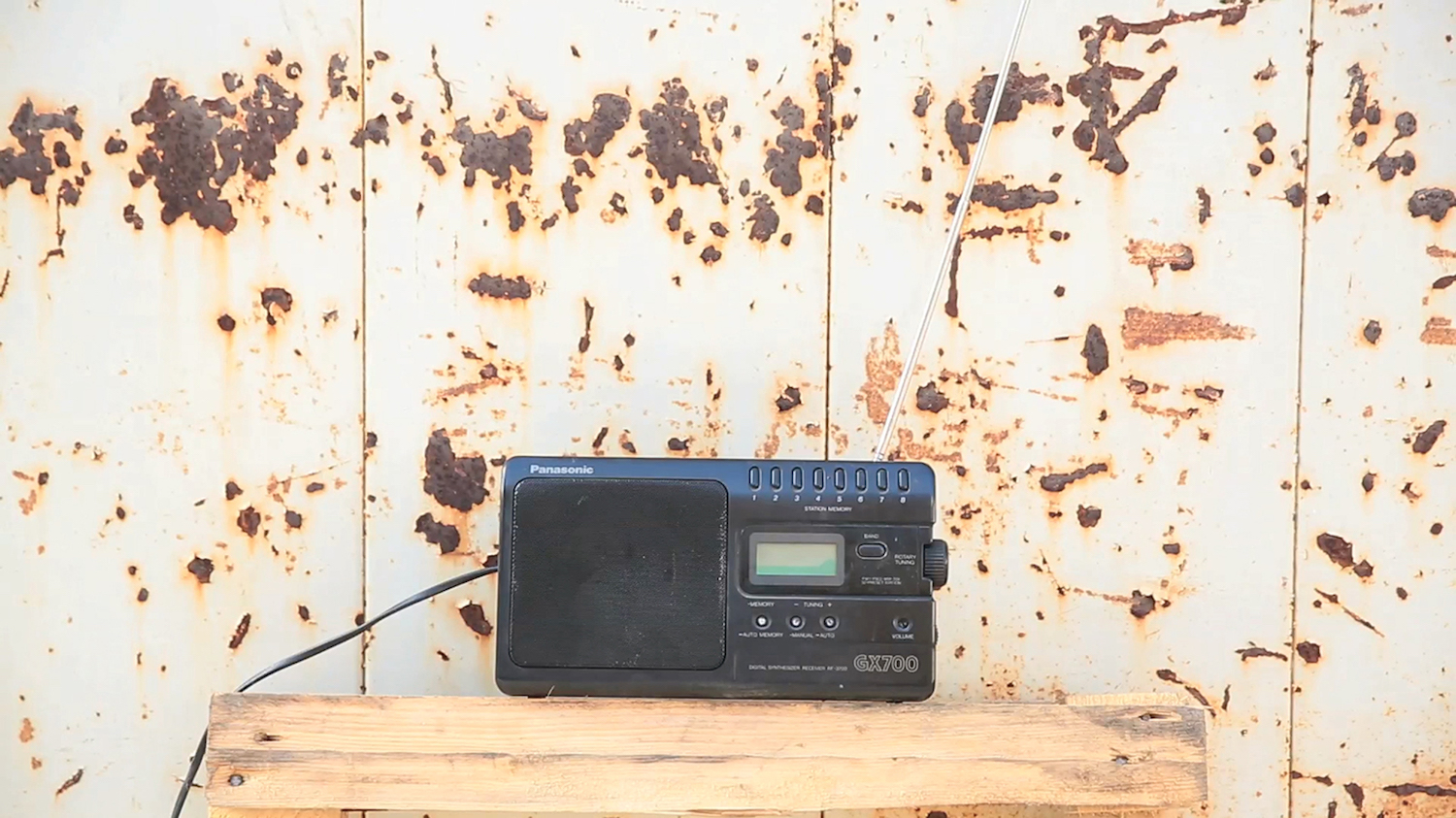
*Alessandra Ferrini, “Radio Ghetto Relay”, 2016, HD video / video still
►What is the relation of exploitation of the migrants’ labour and representation of a migrant persona in Italy? How are these connected with the contemporary politics of memory?
Alessandra Ferrini: With Radio Ghetto Relay, I wished to avoid a direct visual reference or portrayal of the migrant, which was what the media was doing at the time. They were reporting on the radio, but rather than listening to what they were broadcasting, they focused on portraying them within the Gran Ghetto, almost through a ‘poverty-porn’ lens, a very disempowering experience for the harvesters. Thus, the video was intended as an opportunity to rethink how migrants’ voices are often mediated, filtered and appropriated to serve other agendas – either from NGOs, journalists or politicians. By concentrating on the workers’ agency, the video wishes to depart from established canons of representation that tend to victimize and so disempower migrants’ experiences. This was at the core of the radio members’ wishes. This is also to go beyond narratives of solidarity and hospitality that often enact a politics of pity reinforcing the idea of the migrant as guest or charitable subject (always other). These tropes place white European subjects in a position of benevolent, good, empathic hosts. Drawing on Ida Danewid’s essay White Innocence in the Black Mediterranean, I believe that this attitude reinforces right wing discourse of unwelcome guests, performing stranger fetishism (as theorised by Sarah Ahmed) and, by doing so, avoids tackling the root causes of migration and unbalanced privileges at the core of the European project.
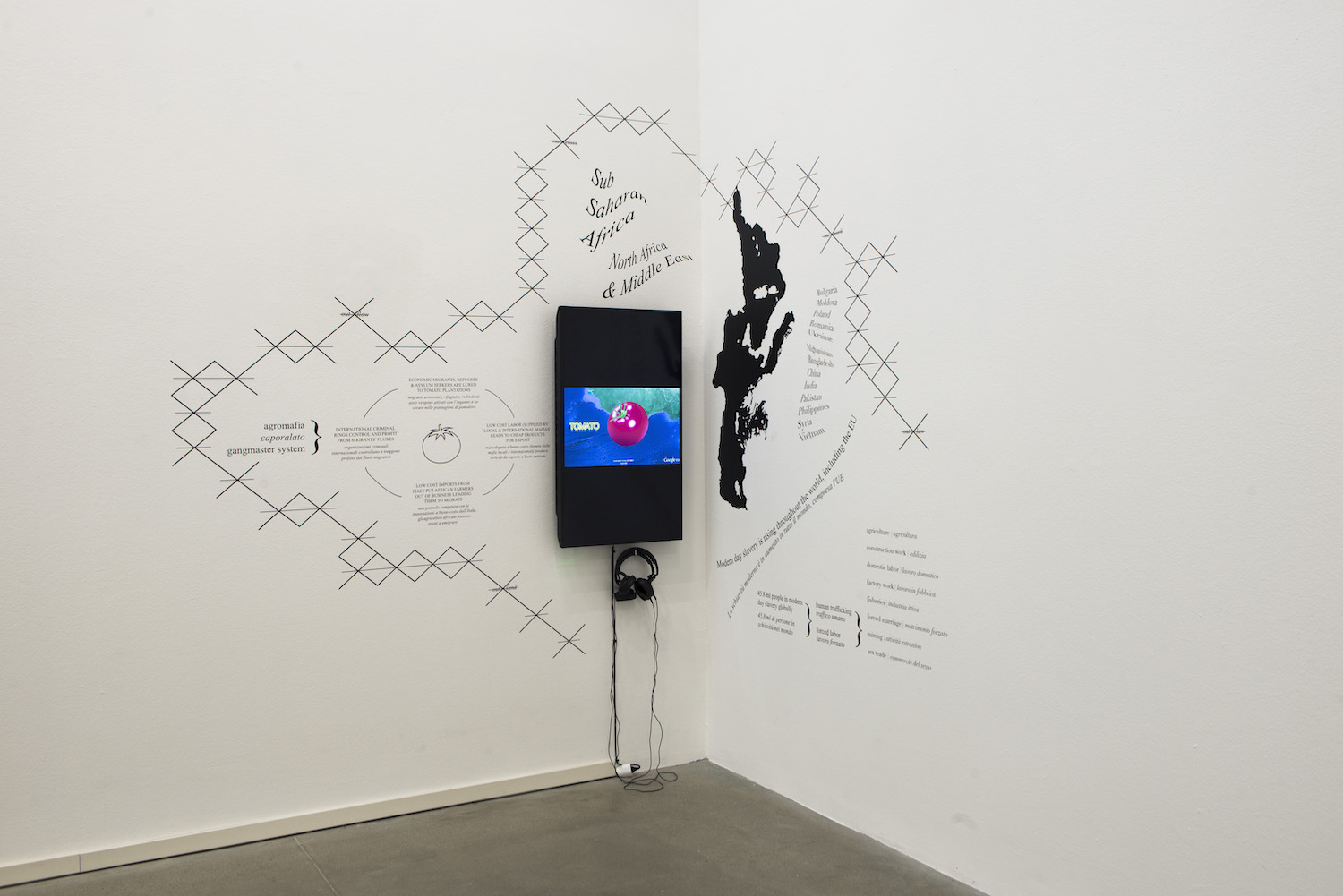
*Alessandra Ferrini, “Outcross (Black Mediterranean)”, 2018, video installation / photo: Paolo Saglia (Courtesy of Fondazione Sandretto Re Rebaudengo)
► When and why did you start to deal with historical narratives and specifically with the Italian case?
Alessandra Ferrini: My early work, while at university, was already looking into questions of history, ideology and national identity, but more from an autobiographical standpoint. It was a way to deal with being a migrant but also with a long standing – perhaps always present – rejection of my homeland. I started working with found footage and photographs, and then moved on to larger questions of cultural memory and critical approaches to archives and collections within art practice and visual culture. I was particularly interested in the so-called historiographic turn in the visual arts, rooted in a belief that, to quote Shlomo Sand, studying History has the potential to “free ourselves from it”. My current research, dealing with the legacy of fascism and colonialism in Italy, in a way still emerges from a wish to gain awareness of the biases implied in my way of seeing the world, but it does so by focusing on systemic issues. As a white, Italian/European subject, I am attempting to deconstruct the structural racism and hegemonical attitudes ingrained in (my) Eurocentric knowledge and gaze by sharing a reflection on their historical roots. This has been triggered by the encounter with my former flatmate Ahmed, who had to flee Libya to seek asylum in London. I began acutely aware of my lack of knowledge about the Italian colonial past (Libya having been an Italian colony between 1911-1943). At the time I was familiar with British imperial history and postcolonial discourse and so, when faced with my total ignorance, I had to question the reasons behind it.
► Given the contemporary condition of the so called post-colonialism, what does it mean to deal with historical narratives today?
Alessandra Ferrini: Meeting Ahmed made it all too clear to me that Italy has been refusing to deal with its post-colonial present as a result of the systematic refusal to acknowledge its colonial past. Despite the clear links between former colonies and the migratory flux entering the country through the Mediterranean Sea, these issues are never spoken in tandem. I mean, if we look at France or Great Britain the link between migrant communities and the history of Empire is widely acknowledged and implied. But in Italy, very few people are able to name Italy’s former colonies (or point such countries such as Eritrea, Somalia, Ethiopia or Libya on a map) let alone realising that the situations that lead people to escape those countries has its roots in the legacy of colonial politics and neo-colonial exploitation. The fact that the colonies were handed over during World War 2 – and that Italy did not experience first-hand decolonialization struggles in the 1960s/70s – has completely insulated the country from any kind of debate on accountability. Indeed, I believe that to be able to understand what is happening today in Italy – the shift from being a country of emigration to be a destination for migrants – and in the Mediterranean (thus also in relation to the EU politics therein) we need to first understand the history that has created this condition. And most importantly, it is fundamental to develop a sense of collective responsibility. In my work, for instance, this translates also in a long-term commitment toward such neglected history – because it cannot be approached in a tokenistic way.
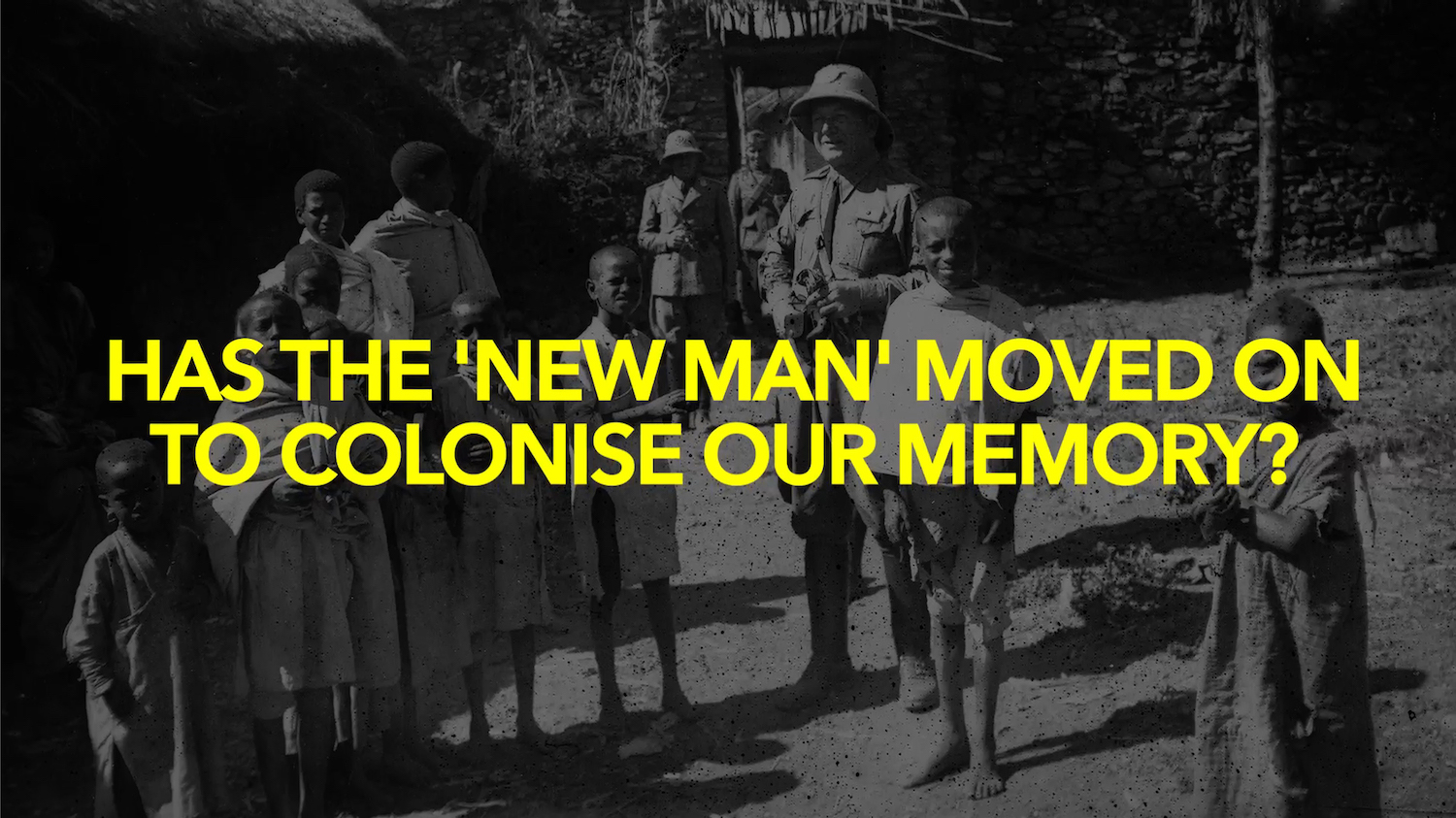
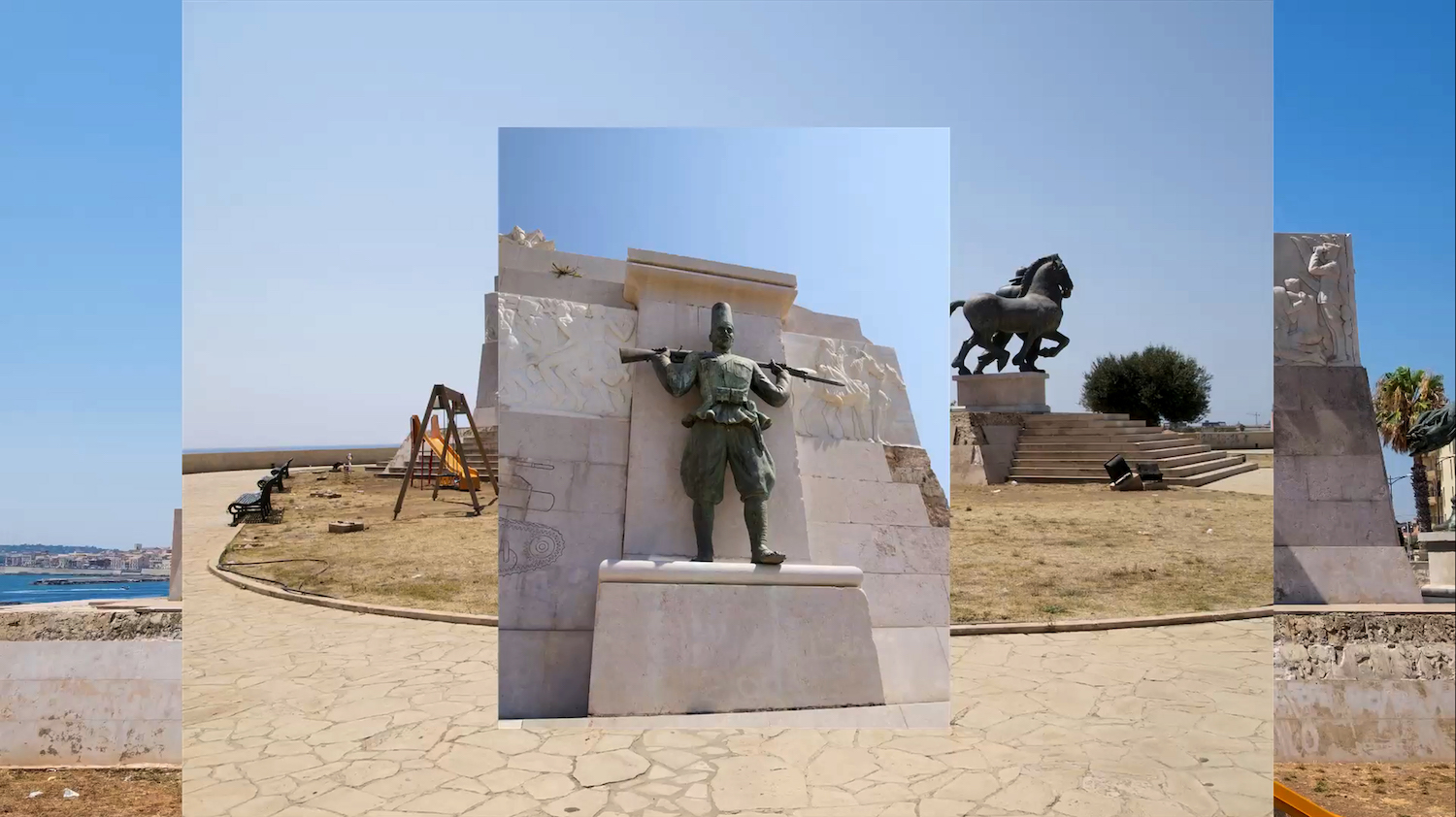
*Alessandra Ferrini, “Negotiating Amnesia”, 2015, HD video / video still
► In your work, you are often dealing with different sorts of archival material, as in the project A bomb to be Reloaded extending the now dismembered collection of the Centre for Documentation Frantz Fanon in Milan. What does an archive represent to you and what do you use it for in your practice?
Alessandra Ferrini: I should probably make a distinction here. I tend to work with physical archives or collections within my work. Yet, my exploration of the archive isn’t confined to this and deals more generally with the archive of (Italian) coloniality, that is with a multi-layered, collective repository of aspiration, dominance, desire, self-aggrandizement and fear through which the development of society’s self-image can be revealed. So, it is more about thinking of an archive not as a site, but as an apparatus (in Foucauldian terms) or, as Ann Laura Stoler defines it, a repository of codified beliefs. That is, I am interested in questioning how this archive shapes the specifically Italian ways of seeing, being and thinking about race, gender, and nationhood. Through a positioned engagement, I aim to contest this apparatus as well as providing critical thinking tools and methods to trigger a deconstructive reading of this expanded and all-encompassing archive. Archival material and collections then, in my practice, are to be intended as a manifestation of such apparatus and their evidentiary potential is what I am intrigued in unsettling, testing, deploying, or taking apart. Questioning the set of conditions that created these materials and/or either preserved or discarded these archives, is oftentimes my starting point.
► How do you then approach and use archival material in your research and how do you engage with its content?
Alessandra Ferrini: Going back to my previous answer, I begin by looking at these materials and develop my work in relation to their (hi)stories or affective relations. That is, in some cases, I do work with people that either have a direct relation to them or has somehow bore witness to these histories. I think my work does come out of the tension between the individual/personal relevance of these archives to specific subjects (often exercising some form of resistance), and the bigger picture – that is the way these relate to collective memory and construction of national identity. In terms of practice, my work revolves around the ‘essayistic mode’, a notion emerging from Film Studies scholars theorizing the essay film, that conceive it as a ‘thinking form’ that span across media and resists a clear definition – yet presenting a series of shared characteristics and aims, such as hybridity and reflexivity. I think of all my projects as essay films at first, but the outputs can take different forms, still retaining its characteristics and preoccupations. That is, the form is expanded and translated but its core principles and constitutive elements are retained.
► Researching the influence of Frantz Fanon on the generation of militant intelectuals in Italy through the project above mentioned, in one part you are presenting your interview with Kadigia Bove, an actress and singer of Italian- Somali origins, thus expanding the context of the discourse on decolonization in the 1960s in Italy. When presenting the archival material in public through your practice, who is then given the voice?
Alessandra Ferrini: Ultimately, I am interested in reflecting on concealed histories and ways of thinking that can allow to rethink the present – and this of course can include encounters with people. This preoccupation implies considering how race politics have shaped this process as well as embracing an intersectional approach. As a result, it is also fundamental, for me, to reflect on the privileges that my whiteness and citizenship affords me in approaching the archive of coloniality and such subjects. This demands the creation of a framework to address my positionality. Collaborating with people who incarnate the histories that I am tackling (and the structural oppression they implicate) is sometimes part of my work, but it is not necessarily a strategy that I adopt at all times, or a starting point. It is actually more of an organic development. When it happens, moreover, I think it is much more about them giving a voice to the project, rather than the opposite. I am actually quite wary of the concept of white subjects ‘giving voice’ and prefer to create situations for conversations and mutual collaboration, in which I also might be required to just step back and listen.
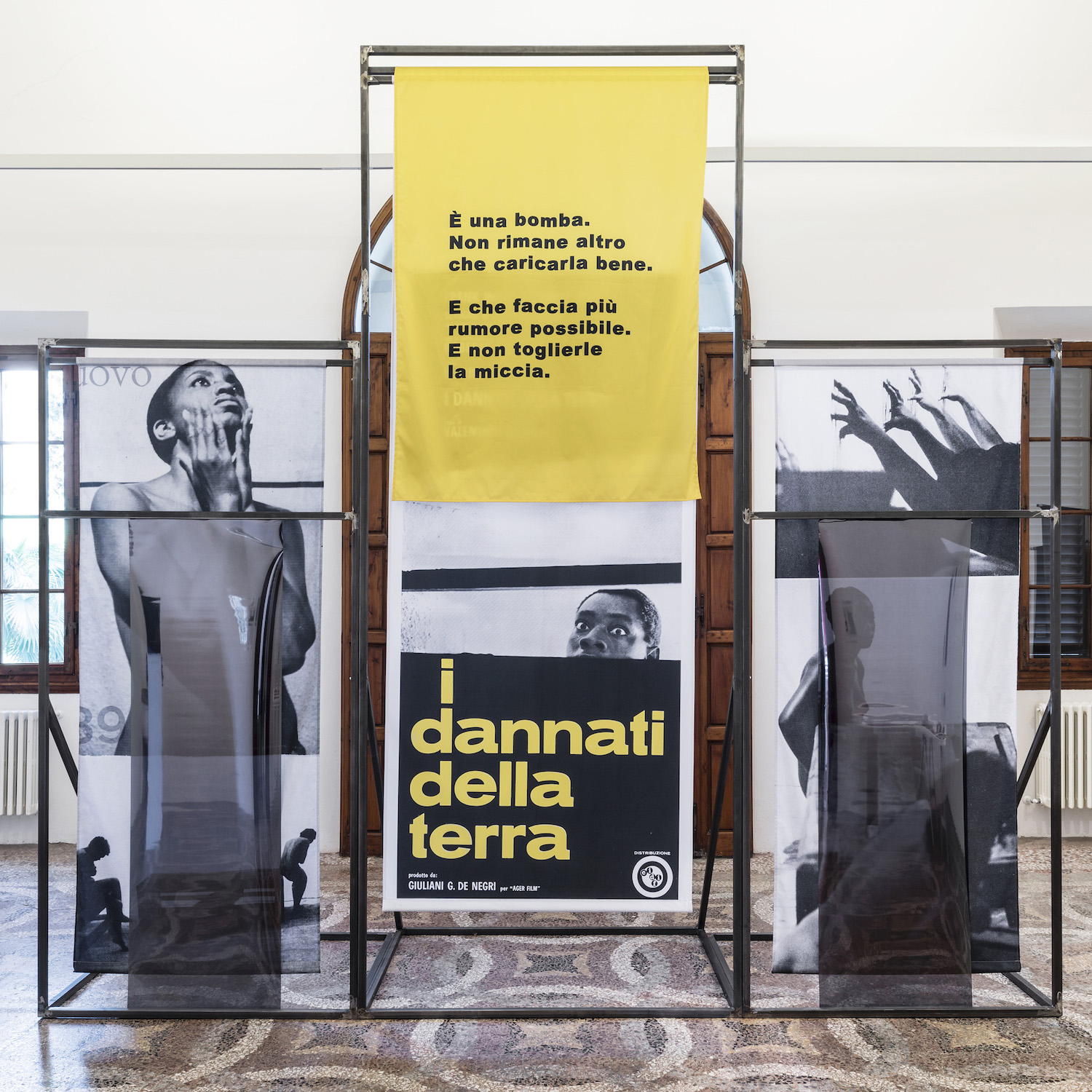
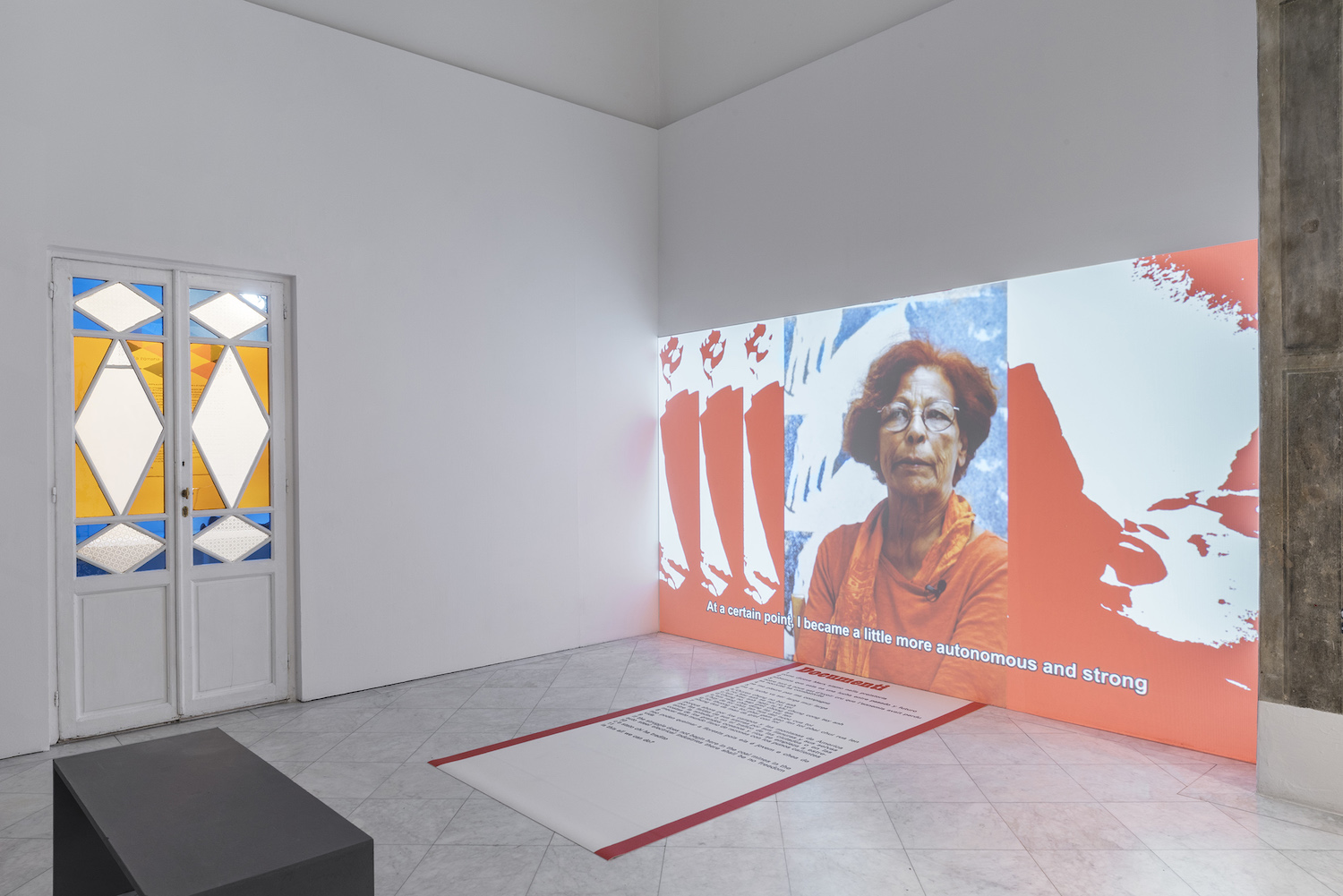
*Alessandra Ferrini, “A Bomb to be Reloaded (Chapter 2)”, 2019., installation detail / photo: Leonardo Morfini (OKNO studio), Courtesy of Villa Romana
► How is the fascist legacy manifested today in Italian politics and society?
Alessandra Ferrini: Fascism ruled for two decades. Yet the seeds of its ideology can be found in earlier systems of thoughts, the so-called proto-fascism. The imaginaries to which they alluded were deeply entrenched in colonial politics and propaganda. And more largely, in the construction of national identity that began with the Italian unification in 1861. If you add to the equation that there was no reparative justice or process of defascitization after WW2 (contrary to Germany where Nuremberg trials played a central role in undergoing denazification) these deeply rooted ideologies have been able to survive quite unchallenged. And we can see them resurfacing in a very unhindered way today. I am thinking of the decades of political involvement of Benito Mussolini’s granddaughter, Alessandra Mussolini, or the more recent candidacy of the Dux’s great-nephew, Caio Giulio Cesare Mussolini, both part of the Far-Right party Brothers of Italy (which were within the ruling coalition in 2018-19). Other examples include former Ministry of Home Affairs and leader of the League Party, Matteo Salvini’s slogans like “non mollo” or the fascist salutes that are becoming normalised within Far-Right political rallies. These are just the tip of the iceberg. Then there are more latent manifestations of racism and nationalism (rooted in fascism) that pervade most discourse, including, at times, of the Left.
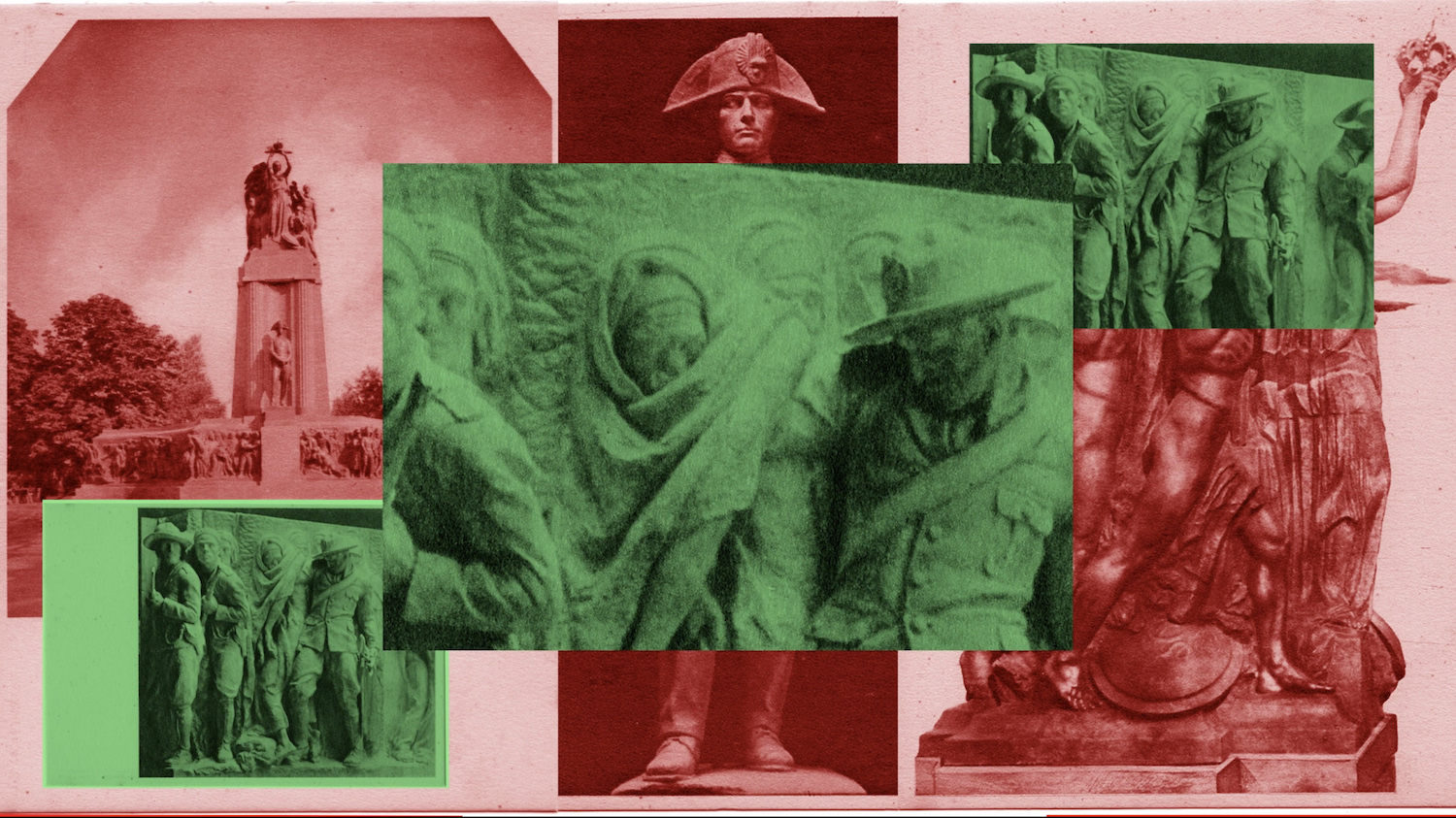
*Alessandra Ferrini, “Sight Unseen”, 2019, HD video / video still
► What is then the relationship of the state and society with this legacy and how are they dealing with it?
Alessandra Ferrini: I would say that it is more about how society is not dealing with it, as the examples that I just offered suggest. In addition, just as I am writing this, politicians and the public alike are attacking the senator Liliana Segre (a Holocuast survivor), claiming that condemning antisemitism is ideological and polarising – rather than being a foundational democratic principle. This is also coupled with specific celebratory actions like the erection of Gabriele D’Annunzio’s statue in Trieste, on the centenary of the occupation of Fiume (Rijeka). I think that the current normalisation of fascism is to be specifically traced in two decades of Silvio Berlusconi’s politics. His systematic attacks on antifascism, deemed as communist propaganda and violent extremism, has greatly impacted the current disregard towards the values of the historical Resistance – such as solidarity, emancipation and justice – that were at the basis of the foundation of the Italian democratic Republic in 1946.
► Can you comment on contemporary construction of memory or construction of amnesia as you suggest and who are the main actors in creating it?
Alessandra Ferrini:
This being a very big question, I will answer with a brief consideration. Collective memory and forgetting are systemic processes that are based on ideology and institutional power. So, all strata of society are implied in creating and maintaining these structures. In the case of Italy, fascism and colonialism had a very high consensus historically. The latter, in addition, was embraced by all political factions, even after the fascist regime fell. As such, they are deeply ingrained, and perhaps even constitutive of the Italian nationhood. And this way of thinking is itself rooted within a global history of empire, Eurocentrism and capitalism. Without de-responsabilization and amnesic attitudes to the past (and those people and lands that have been persistently exploited), these systems could not be smoothly perpetrated.
*Alessandra Ferrini, “Sight Unseen”, 2019, HD video / video still
► Your PhD research in a form of a script explores the meeting of Gaddafi and Berlusconi in Rome in 2009 as an unprecedented mediatic real-time reporting of a political event. How did this event enact the performance of politics?
Alessandra Ferrini:
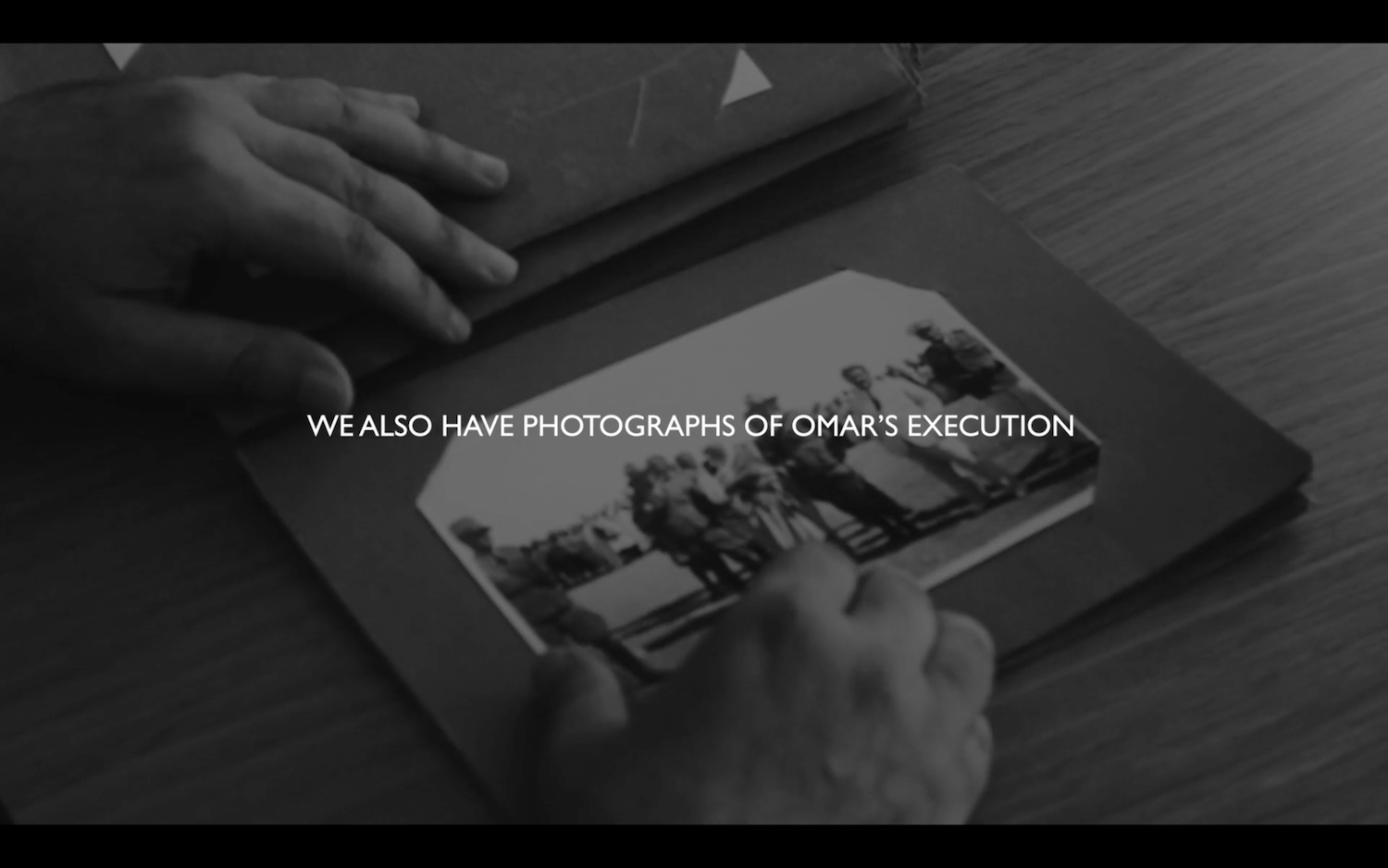
The event that I am focusing on was Gaddafi’s first visit to Italy, in June 2009, when the two leaders signed the Bilateral Agreements on migration that are still shaping the necropolitics at the core of the ongoing racialisation of the Mediterranean border. It was intended as the celebration of a newfound friendship between Italy and Libya – and was part of four meetings intended to publicly enact the signing of the Treaty on Friendship, Partnership and Cooperation between the two countries. The first two meetings took place in Libya among little interest from the Italian press, while, on the contrary, the other two meetings – both taking place in Rome – were heavily reported, attesting to the Italian media’s conception of these two events as major historical occurrences, what Daniel Dayan and Elihu Katz define as Media Events. The ceremonial aspects (and news media images that document them) are instrumental in studying the way the relations between Libya and Italy – and sovereign power in general – have been performed publicly. These four events, I argue in my PhD, represent examples of twenty-first century Neocolonial Spectacles. A large part of my research attempts to define the specific power relations and symbolic value incarnated in the way these events were staged and the unavoidable contingencies that emerged. One contingency being at the core of Gaddafi in Rome: a Screenplay, the film that I am producing. That is, Gaddafi’s choice to disembark his plane in Rome with a controversial photograph pinned to his chest – the portrayal of the anticolonial fighter Omar al-Mukhtar, in chains, surrounded by Italian officers just a couple of days before he was executed in 1931 – which provoked serious outrage in the Italian political class as the hijacking of the pre-planned ceremony was seen as a mockery.
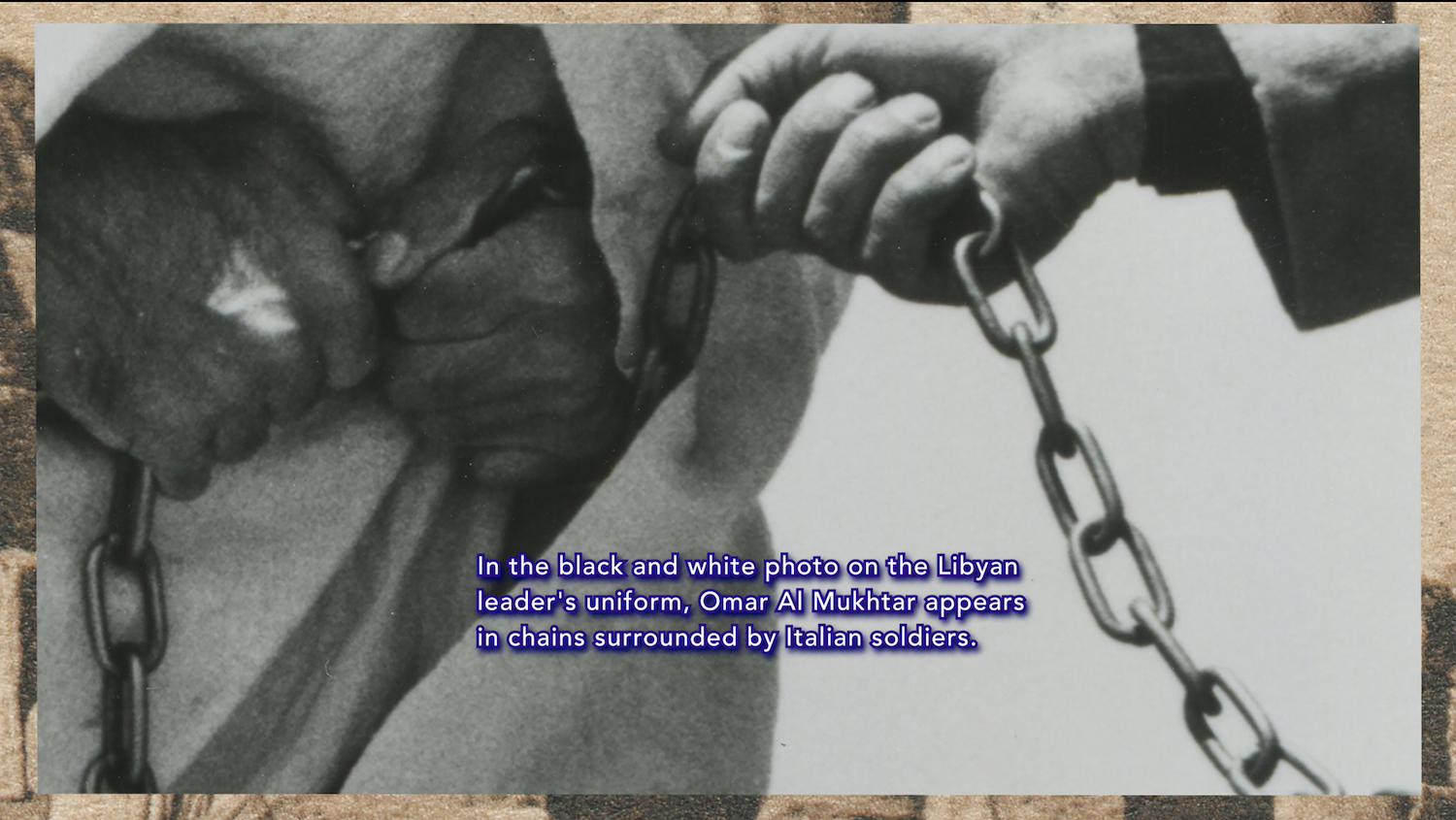
*Alessandra Ferrini, “Gaddafi in Rome: the Expanded Script”, 2018 / video still
► What are the historical and colonial relations to this event?
Alessandra Ferrini:
Gaddafi’s state visit followed former Italian Prime Minister Silvio Berlusconi’s visit to Sirte in March 2009 where he presented formal reparations for the Italian occupation of Libya. The Treaty’s text, however, does not include any mention of the violence that was perpetrated by the Italians in Libya, which was especially brutal during the so-called “Pacification of Libya” (1922-1931) under Mussolini’s rule. The atrocities committed in this period included the use of chemical weapons and concentration camps, which resulted in the genocide of the nomadic tribes leading the resistance against the colonial regime, which was spearheaded by Omar al-Mukhtar. Spelling out these facts, which are addressed only as “a painful chapter” within the Treaty’s text, is especially urgent as Italian society is oblivious to the barbarity associated to their colonial past – and this lack of knowledge has led to the widespread belief that Italian colonial politics were gentler and more benevolent than those of other imperial powers.
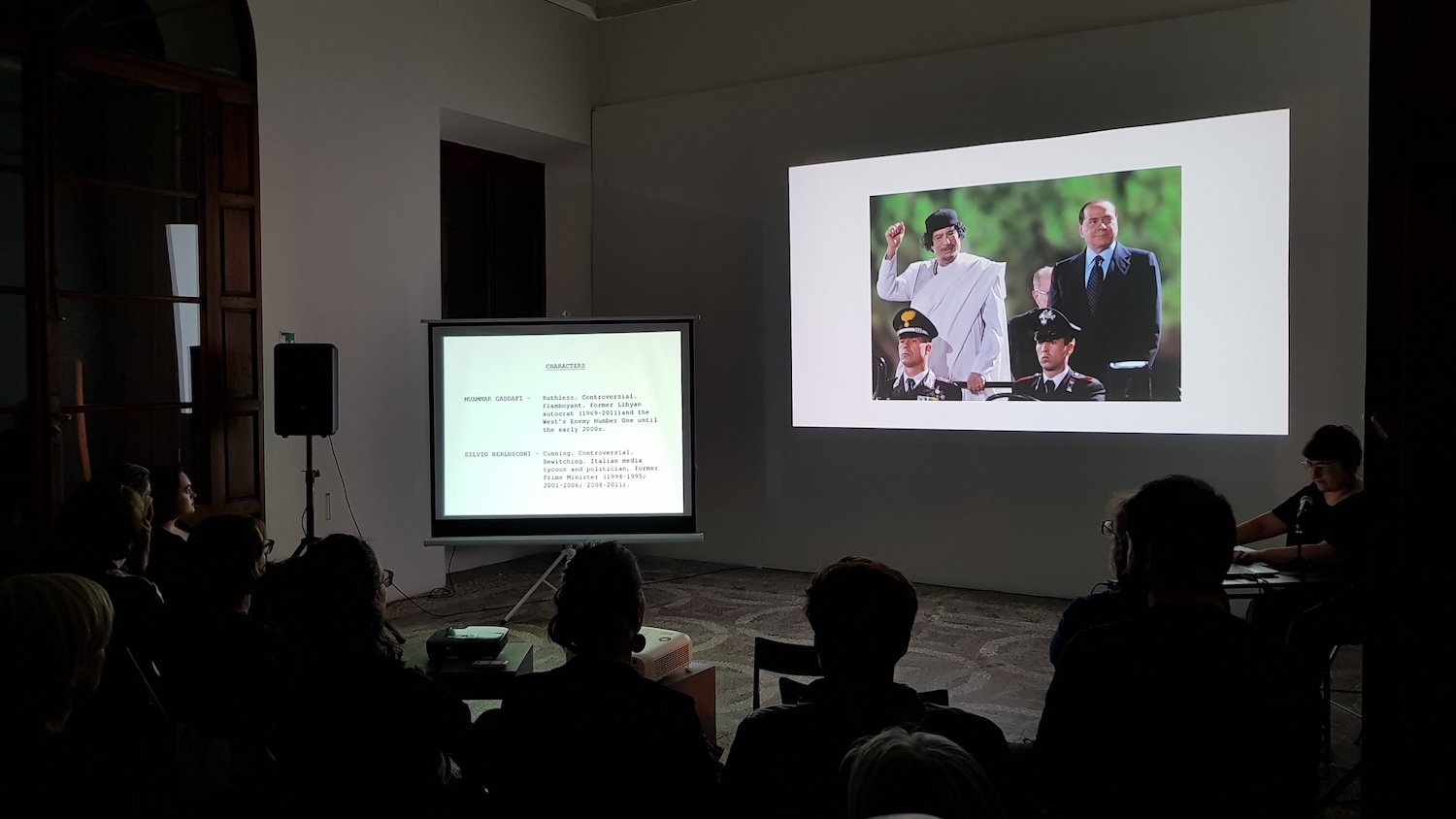
*Alessandra Ferrini, “Gaddafi in Rome: the Expanded Script”, 2018, performance lecture / photo: Courtesy of Villa Romana.
► Finally, talking about the media you are working with, how do you see the role of of the lens-based media? How are they used and what are the potentials of the same media to question or subvert the presented narrative?
Alessandra Ferrini:
I think there are two different aspects to consider here, in thinking of lens-based media in relation to my practice. The first one is to do with the material I use in my work, that is, news media footage and photographs. And the second, with the work that I am producing by ‘dissecting’ this material through technology of visuality that are lens-based. The link is obviously implied in their evidentiary values, but it is important to stress that through dissection the indexical character of documentary imagery is questioned and, through a voiceover and by drawing associations, it is also contextualised. This is at the core of essay filmmaking: the performance of a process of critical thinking, of reflecting about how we look at images, to which the spectator is made to bear witness. So, perhaps this question might be simply answered like this: the core issue is intent (and its aim). I mean, there could be no retroactive deconstruction or dissection and reflection if reality would not be documented somehow. What differs are the urges of the person that produces these images and the ethical questions that these two attitudes imply. That is, for me representing the present is not a priority, albeit it is necessary that this work takes place. I am interested in creating a discourse that unsettles the present by placing in relation different representations of it and new ways of reading them against historical narratives. I believe that this is a very interesting time to do this, as documentary material has never been so widely available. Yet, accessibility and the speed at which new material is circulated have often been precluding a thorough contextualisation or understanding of what they represent. I believe that, as a (moving image) artist and researcher, this is something that I can address in my work, through my chosen medium.
For more information on Alessandra Ferrini’s work please visit the link: www.alessandraferrini.info.
*Tekst je dio Vizkulturinog projekta “Vizkulturiranje društva 2019.” koji je sufinanciran sredstvima Fonda za poticanje pluralizma i raznovrsnosti elektroničkih medija Agencije za elektroničke medije