[četvrti u nizu od 5 članaka kroz koje ćemo pokriti najaktualnije teme arhitektonsko-prostorne tematike te stvoriti malu bazu podataka i razmišljanja o arhitekturi i njenom diskursu u online medijima]
Što su gradovi? Kako razmišljati o gradovima? To je možda jedno od najzanimljivijih arhitektonskih pitanja.
Kako razmišljati o gradu izvan zadanih urbanističkih i teoretskih okvira: generic, green, global, sustainable, smart, capital… Pitajmo arhitekte što misle o gradovima!
Gradovi su mjesta na kojima postoji komedija, tragedija, drama, ironija, zamke, intrige, ostvarenja snova, neopisive ljepote… Mjesta gdje obitavaju bogovi, mjesta na kojima se manifestira beskonačnost, na kojima ono nemjerljivo, pretjerano postaje dobrodošlo. Mjesta sa kojih ljudi lete na Mjesec. Gradovi su dekadentni, oni troše energiju u potrazi za novim, drugačijim, još neotkrivenim. Grad je mjesto gdje urbanitet stvara gradskost, i gdje gradskost kultivira urbanitet, stalno na granici izmedju urbs i civitas.
A sada prepustimo refleksije o gradu stotini arhitekata. Šaljemo im poruke u inbox. Arhitekti se nalaze izvan svog konteksta, baš kao i njihovi odgovori. Oni nam odgovaraju, ali su isto tako nesvjesni svoje aktivnosti. Ako imaju nešto za reći, napisat će. Konzistencija je uvijek u spektru.
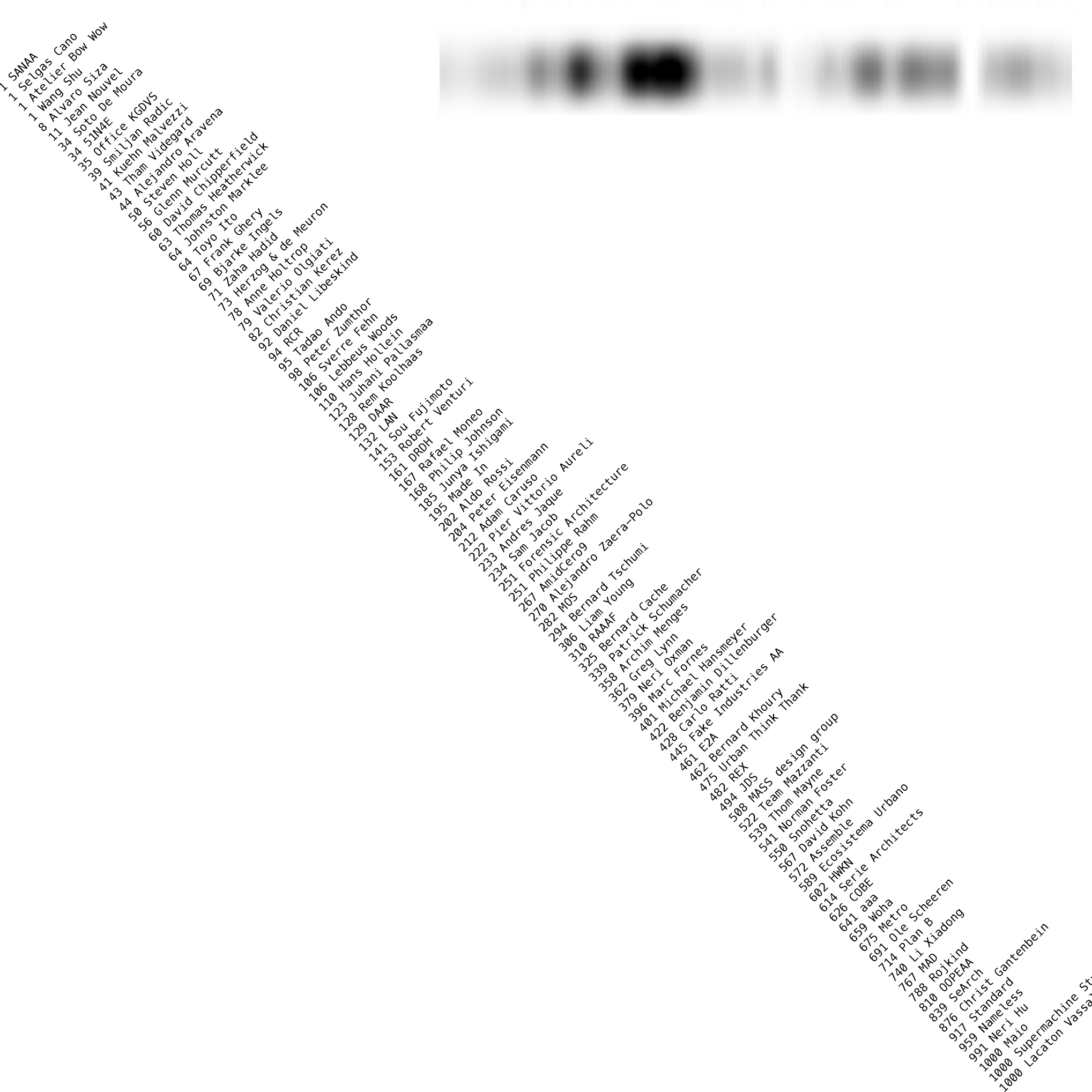
miro.romanvlahovic.com/2016/08/29/pob > More on spectrums
Što je grad?
romanvlahovic.com/textingarchitects.html >PLAY WITH QUESTIONS
Atelier Bow Wow

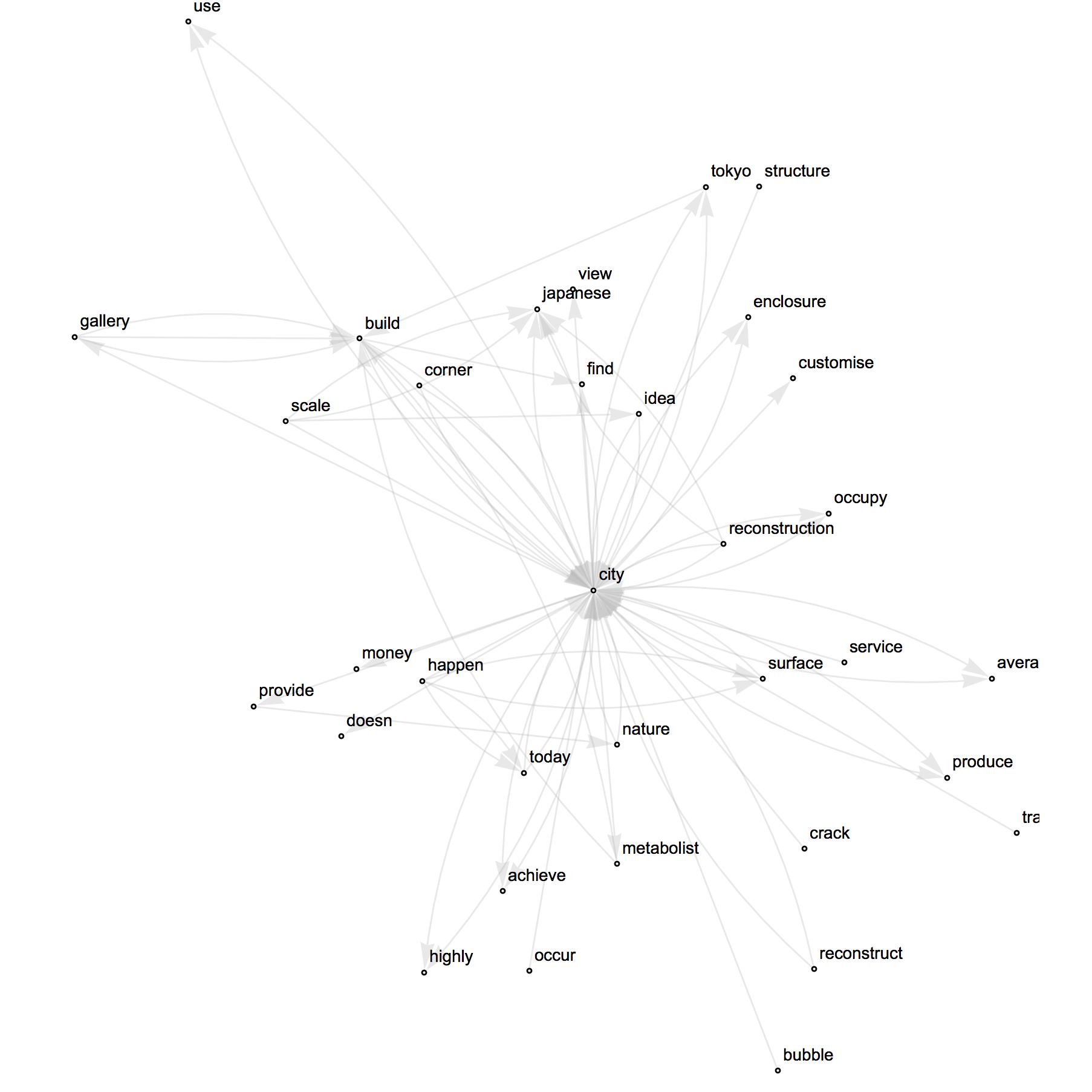
Today, the city of Tokyo has more than 10 million inhabitants and the properties are owned by 1.8 million owners, so that can give some idea of how the city is highly subdivided into small individual ownerships.
Today, the city of Tokyo has more than 10 million inhabitants and the properties are owned by 1.8 million owners, so that can give some idea of how the city is highly subdivided into small individual ownerships.
Alvaro Siza

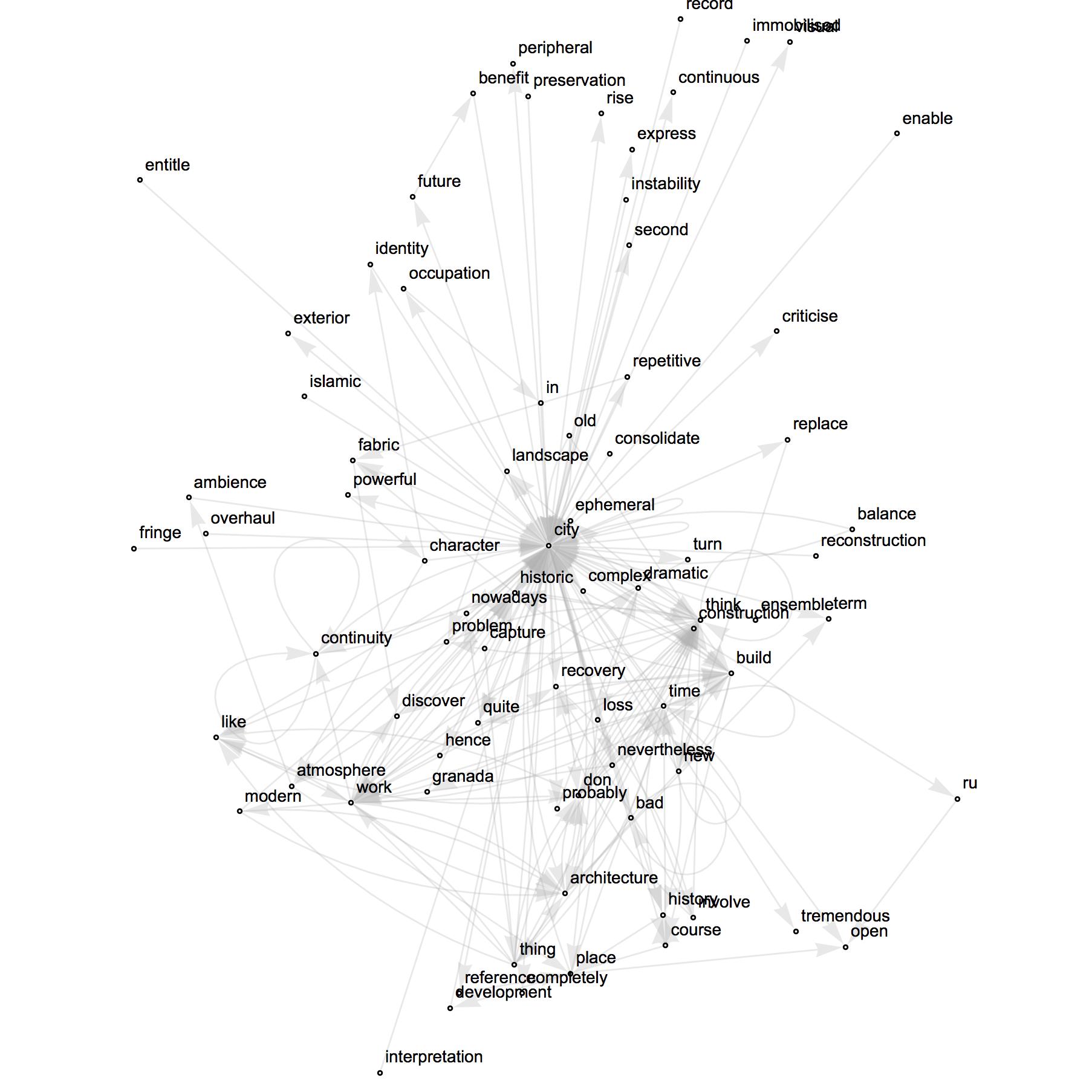
Nevertheless, the ongoing architectural development of a city is quite normal and logical, even when that development sometimes involves the sacrifice and the destruction of standing heritage.
The city is a repetitive fabric that flows through history, and it only arrives at rift situations when there are certain points of common interest.
I believe that continuity in the city is a complex process which has sometimes been confused with the literal reproduction of forms.
Office KGDVS

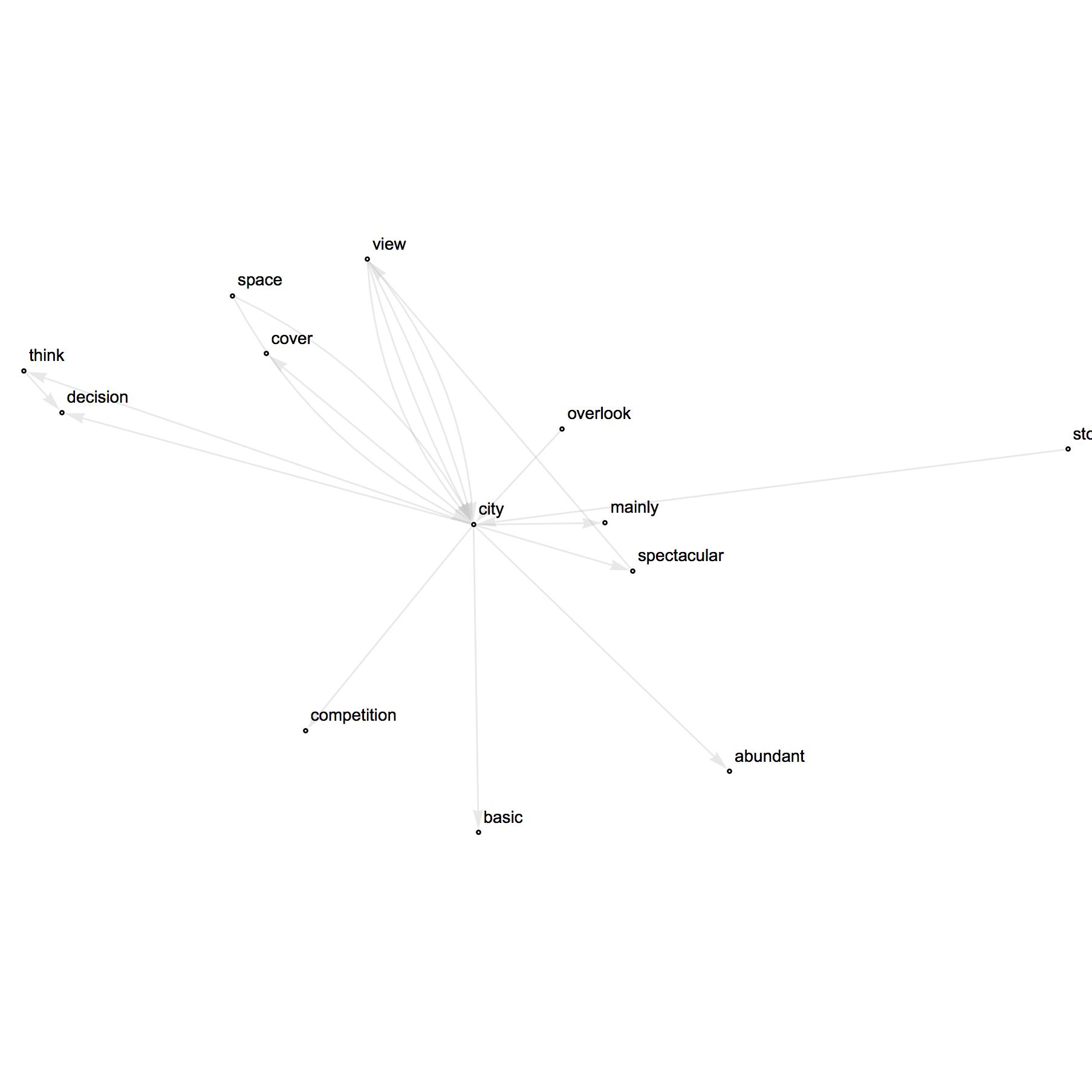
The whole city is mainly asphalt and concrete.
Alejandro Aravena

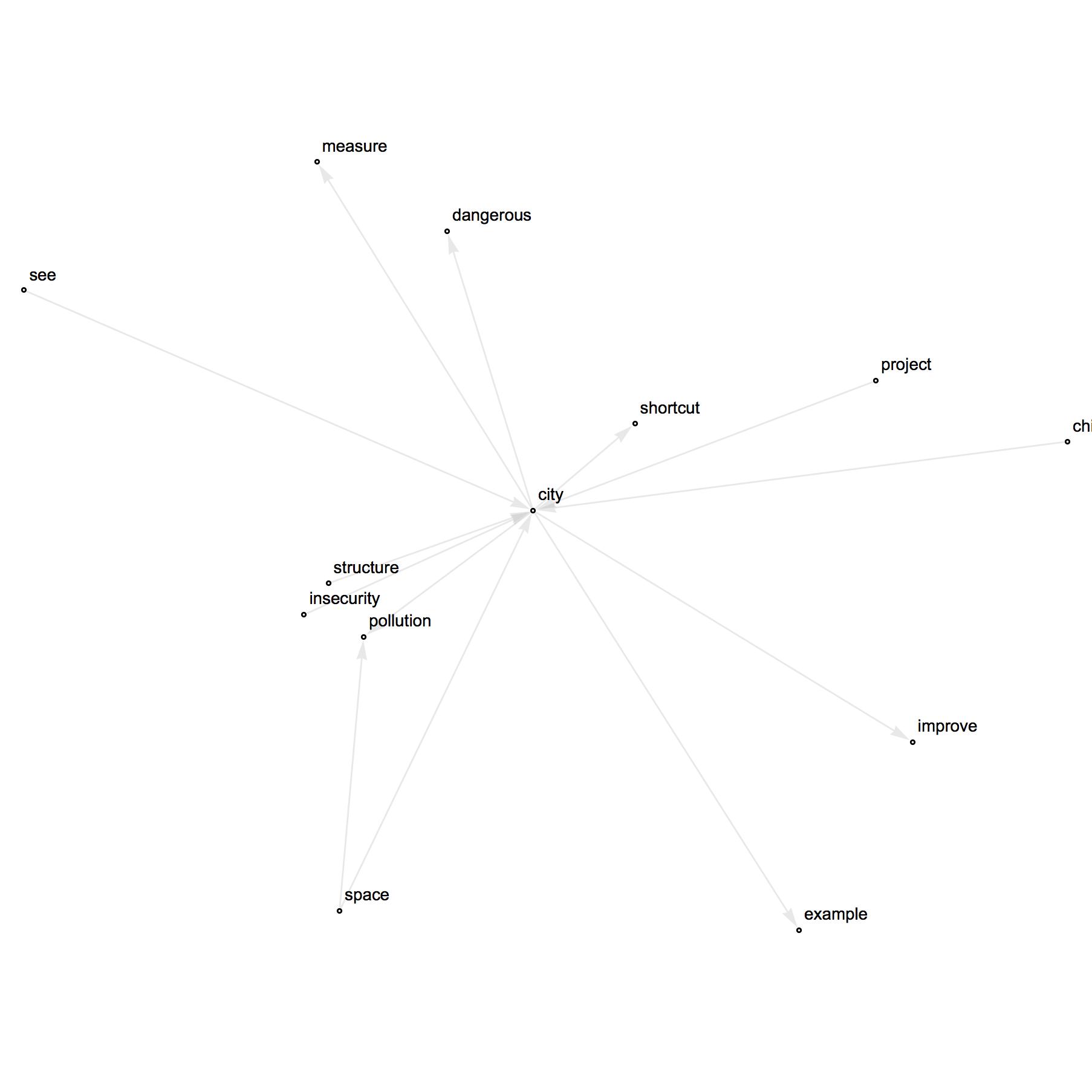
What we have seen is that the city is a shortcut toward equality.
David Chipperfield

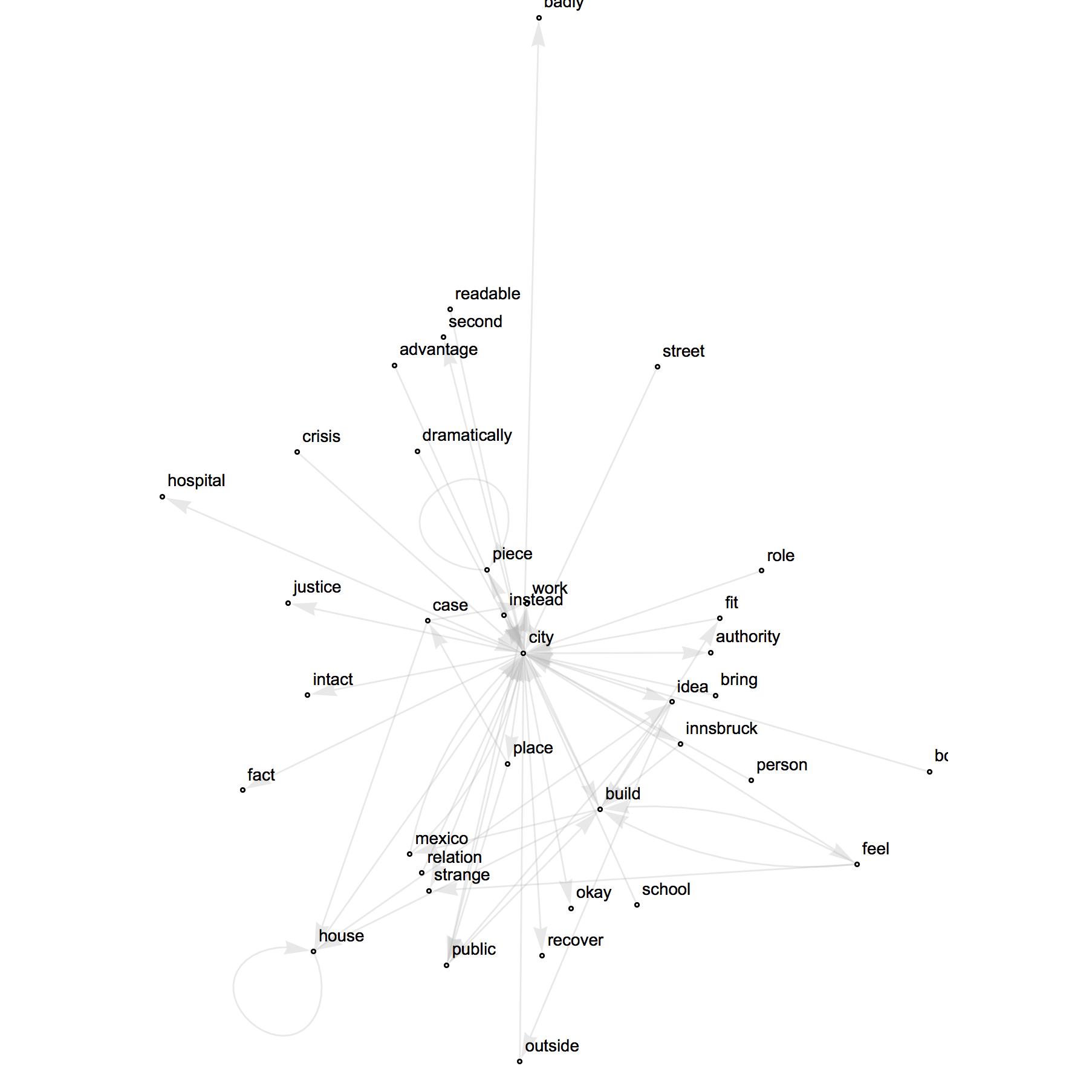
If the city is intact, you can do something very abstract and minimal, but if it is not, then you have to help with its form.
Public space in Mexico city is not the same as public space in Dusseldorf.
Johnston Marklee

Understanding what role the house plays in the city is important.
Bjarke Ingels

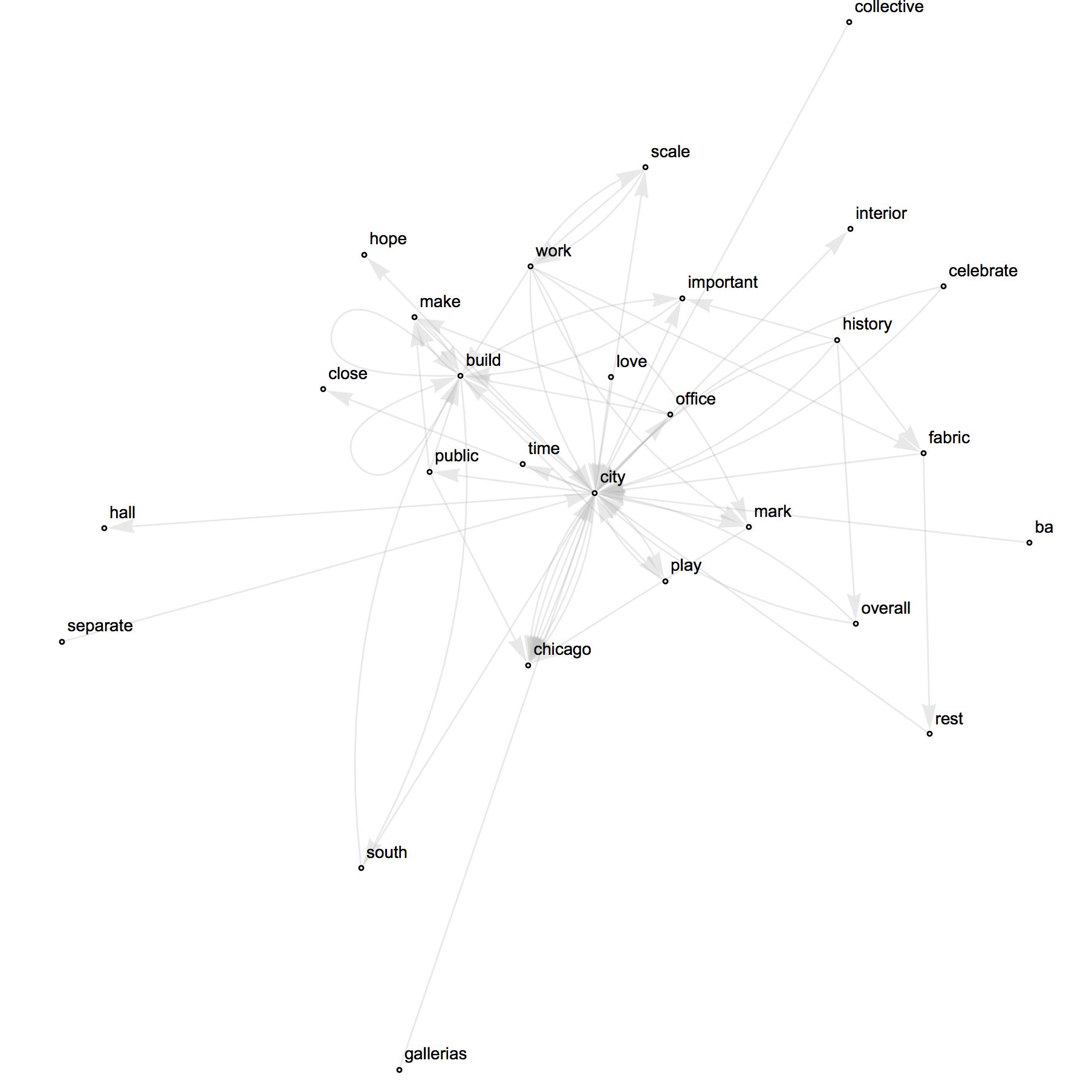
We responded to the fact that politicians wanted affordable housing because the city is fully built and people are being forced out.
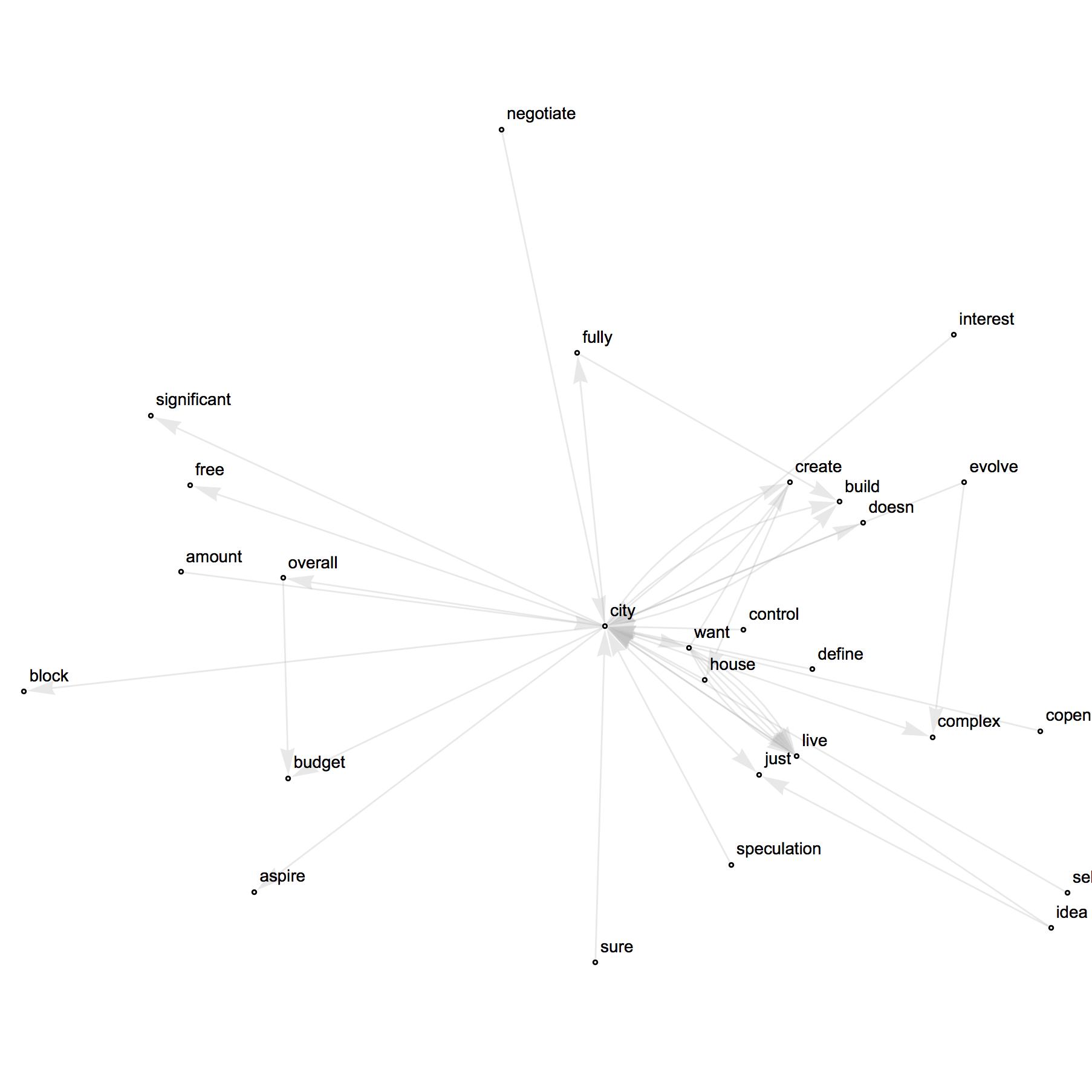
I A lot of architects accept the idea that the city is so complex now that it’s beyond the ability of the architect to define the city to any significant degree.
Daniel Libeskind

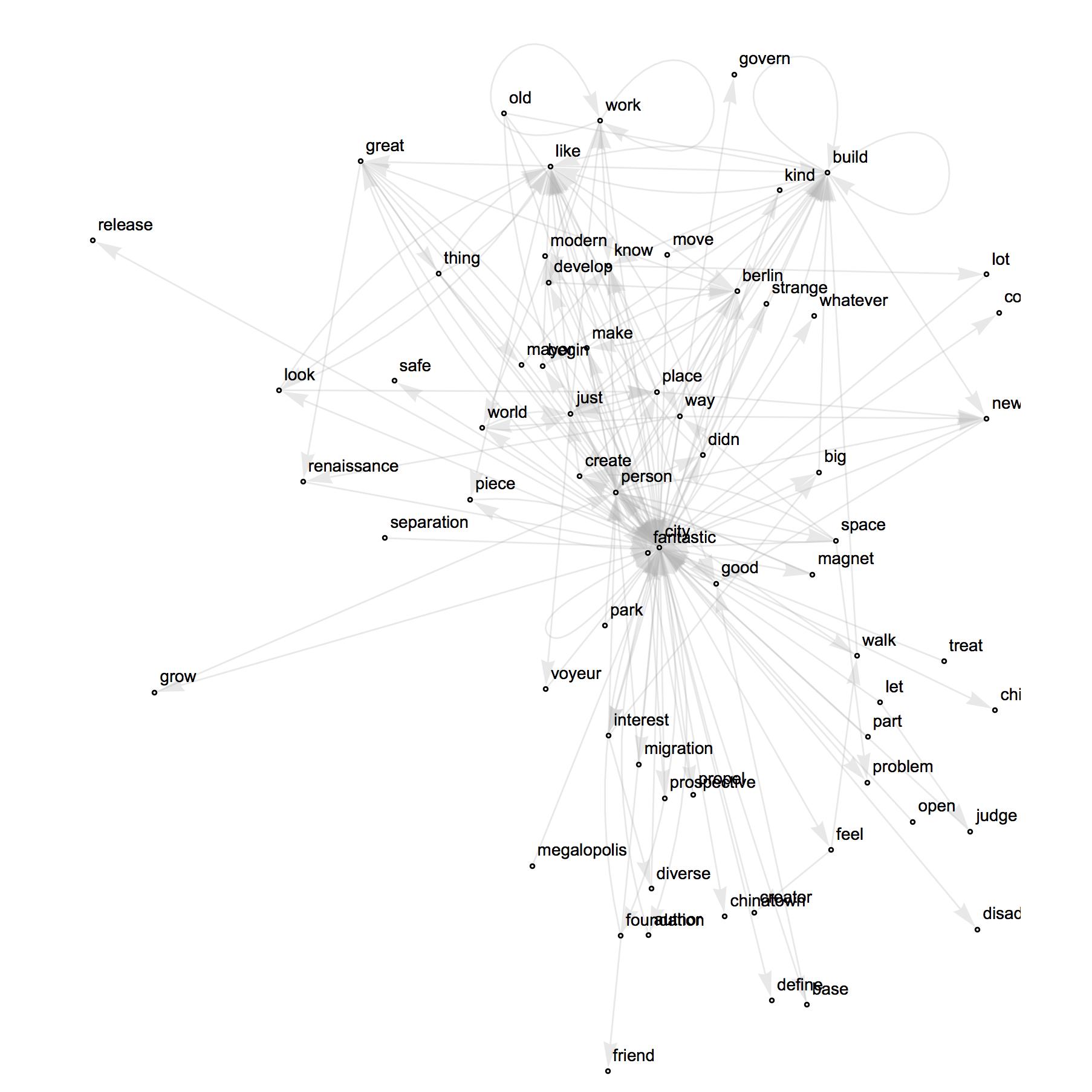
The city is based on streets, on perspectives, on views, on the feeling you have when you walk without wind tunnels, not by some stupidity that has been created by just profitability.
Sverre Fehn

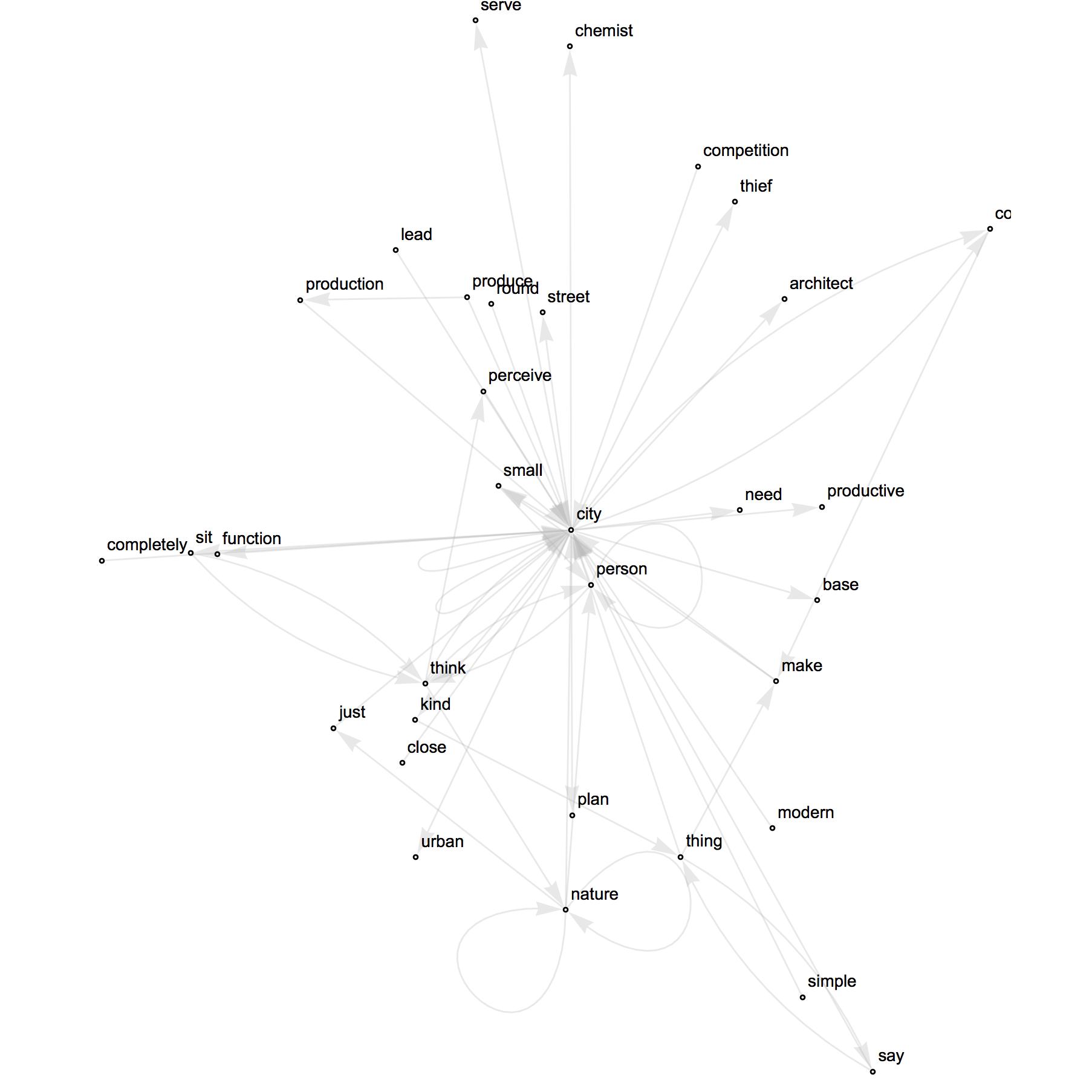
But the city is a kind of container; the most natural thing in a city is the chemist’s, where the poisons are locked up…
Rem Koolhaas

1.6 The Generic city is the city liberated from the captivity of center, from the straitjacket of identity.
The definitive move away from the countryside, from agriculture, to the city is not a move to the city as we knew it: it is a move to the Generic City, the city so pervasive that it has come to the country. 2.3 Some continents, like Asia, aspire to the Generic City; others are ashamed by it.
The reverse never happens… at least not yet. 3.1 The Generic city is what is left after large sections of urban life crossed over to cyberspace.
Compared to the classical city, the Generic city is sedated, usually perceived from a sedentary position.
3.2 In a drastic reversal of what is supposedly the major characteristic of the city “business” the dominant sensation of the Generic city is an eerie calm: the calmer it is, the more it approximates the pure state.
The serenity of the Generic city is achieved by the evacuation of the public realm, as in an emergency fire drill.
The same (let’s say ten mile) stretch yields a vast number of utterly different experiences: it can last five minutes or forty; it can be shared with almost nobody, or with the entire population; it can yield the absolute pleasure of pure, unadulterated speed at which point the sensation of the Generic City may even become intense or at least acquire density or utterly claustrophobic moments of stoppage at which point the thinness of the Generic city is at its most noticeable. 3.3 The Generic city is fractal, an endless repetition of the same simple structural module; it is possible to reconstruct it from its smallest entity, a desktop computer, maybe even a diskette. 3.4 Golf courses are all that is left of otherness.
5.1 The Generic city is seriously multiracial, on average 8% black, 12% white, 27% Hispanic, 37% Chinese/Asian, 6% indeterminate, 10% other.
5.2 The Generic city is always founded by people on the move, poised to move on.
A Generic city is born.
6.1 The great originality of the Generic city is simply to abandon what doesn’t work what has outlived its use to break up the blacktop of idealism with the jackhammers of realism and to accept whatever grows in its place.
The Generic city is all that remains of what used to be the city.
The Generic city is the post city being prepared on the site of the ex city.
6.2 The Generic city is held together, not by an over demanding public realm progressively debased in a surprisingly long sequence in which the Roman Forum is to the Greek agora what the shopping mall is to the high street but by the residual.
Pedestrianization intended to preserve merely channels the flow of those doomed to destroy the object of their intended reverence with their feet. 6.4 The Generic city is on its way from horizontality to verticality.
They must, otherwise they would be historic. 6.7 The Generic Cityscape is usually an amalgam of overly ordered sections dating from near the beginning of its development, when “the power” was still undiluted and increasingly free arrangements everywhere else. 6.8 The Generic city is the apotheosis of the multiple choice concept: all boxes crossed, an anthology of all the options.
6.10 The best definition of the aesthetic of the Generic city is “free style.”
6.14 Ironically, though itself new, the Generic city is encircled by a constellation of New Towns: New Towns are like year rings.
The Generic city is sociology, happening.
Each Generic city is a petri dish or an infinitely patient black board on which almost any hypothesis can be “proven” and then erased, never again to reverberate in the minds of its authors or its audience. 8.2 Clearly, there is a proliferation of communities a sociological zapping that resists a single overriding interpretation.
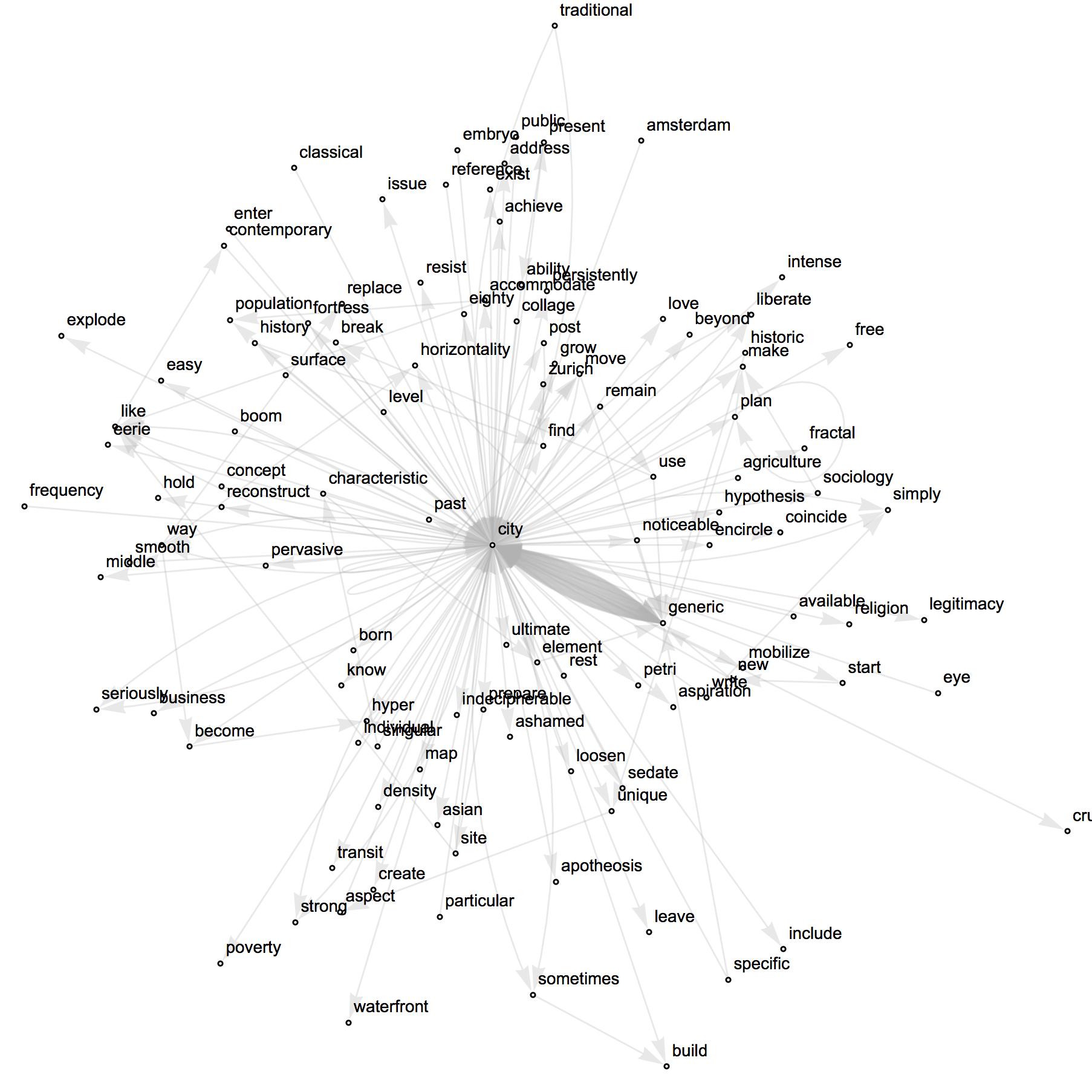
The Generic city is loosening every structure that made anything coalesce in the past. 8.3 While infinitely patient, the Generic city is also persistently resistant to speculation: it proves that sociology may be the worst system to capture sociology in the making.
LAN

he form of a city is always the form of a particular time in the city, and there are multiple times in the formation of a city.”
” A Rossi, Architecture of the city, op.cit.
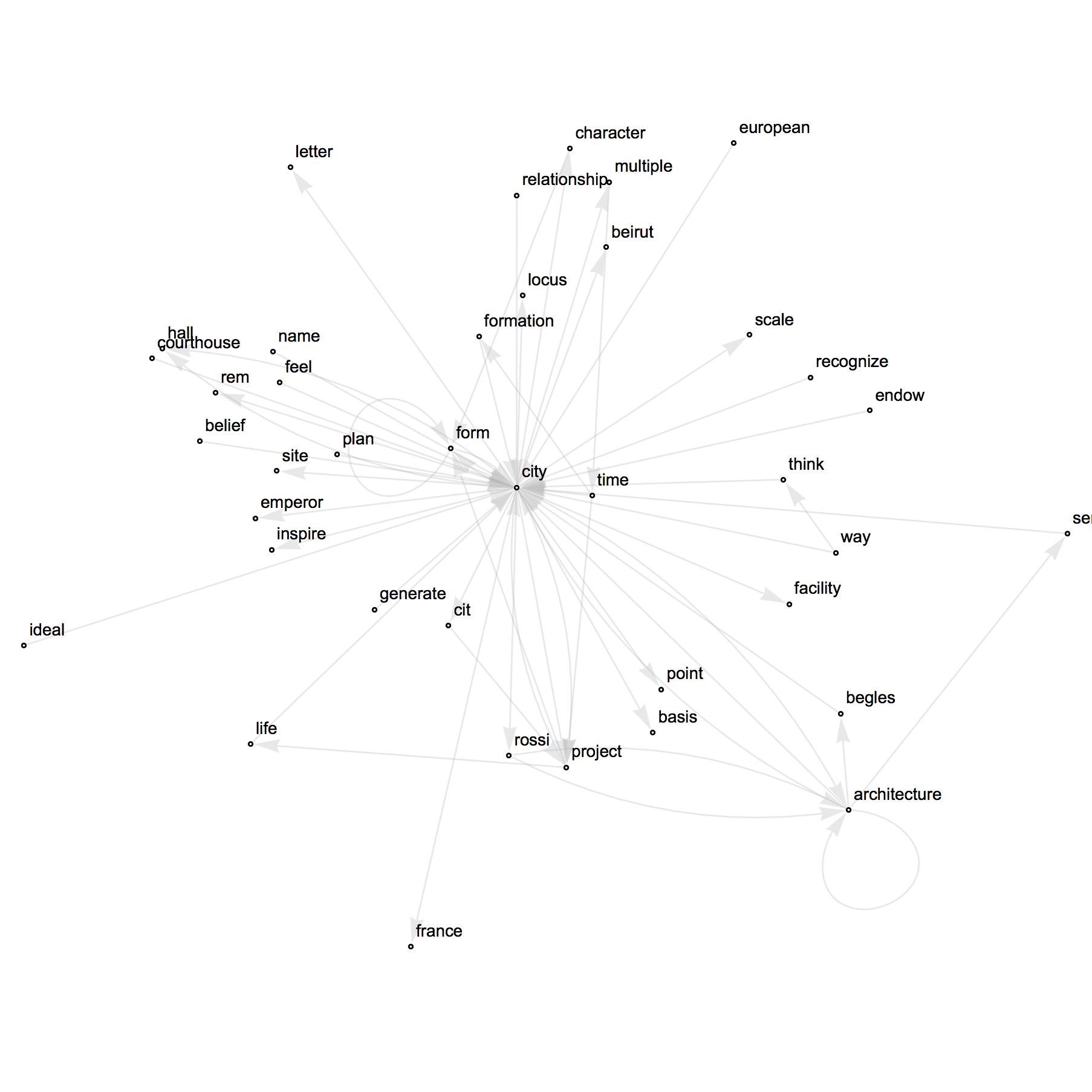
Sou Fujimoto

A city is not an assemblage of architecture, but it is a large and complex architecture itself.
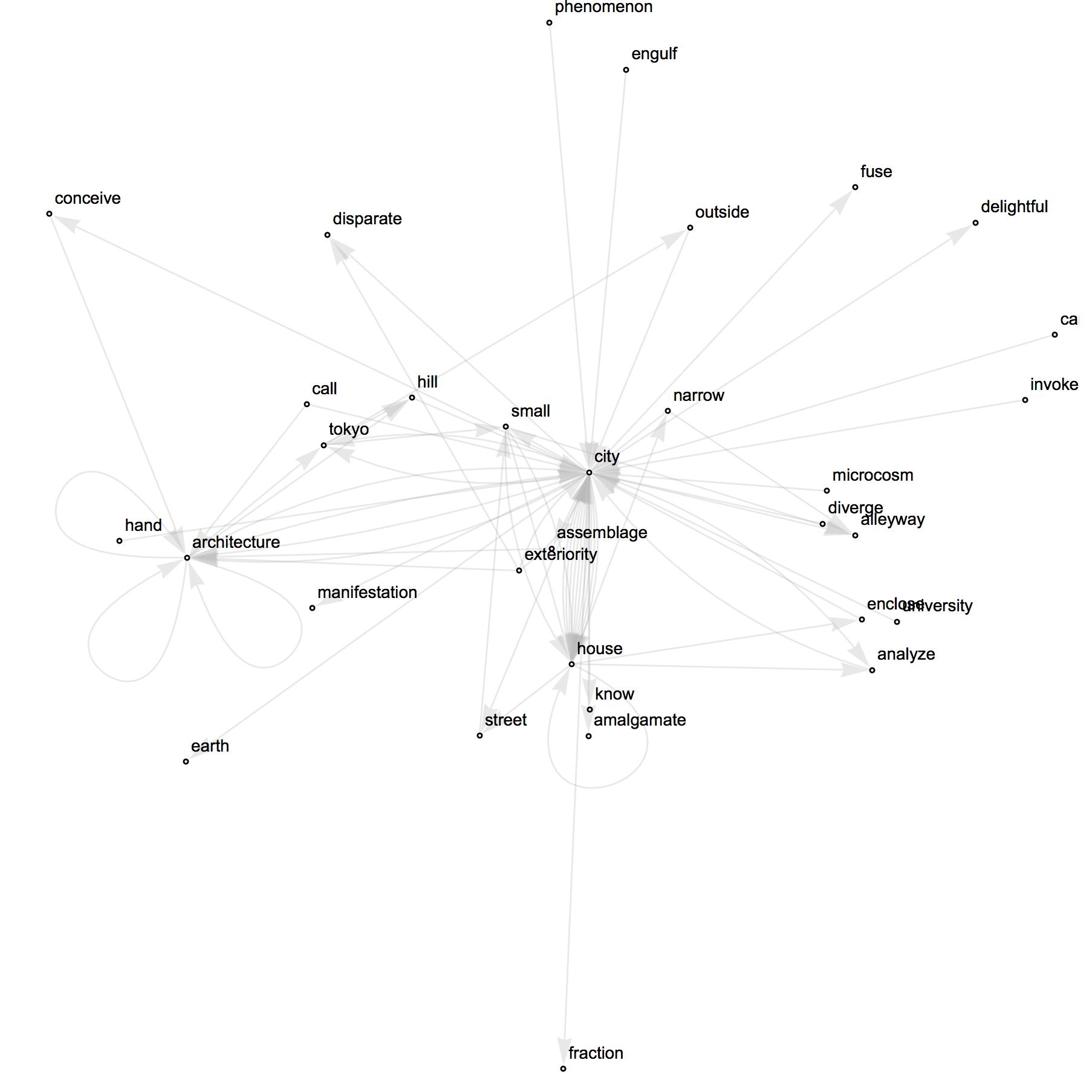
DRDH

It remains the means by which to make the complexities of the present ‘visible, palpable and available.’ Returning to the past, Alberti’s maxim that ‘the city is like some large house and the house is, in turn, like some small city’ succinctly encompasses the historical interdependence of the interior and the urban, in determining both the character and the functioning of the city.
The city is in danger of being reduced to scenography.
If one was to believe Leon Battista Alberti’s suggestion that “the city is like some large house, and the house is in turn like some small city” 2 then these civic interiors and exteriors might be understood as the public rooms of that large house, their elegant figures set within a darkly hatched urban poché.
The current architecture of the city is unassuming.
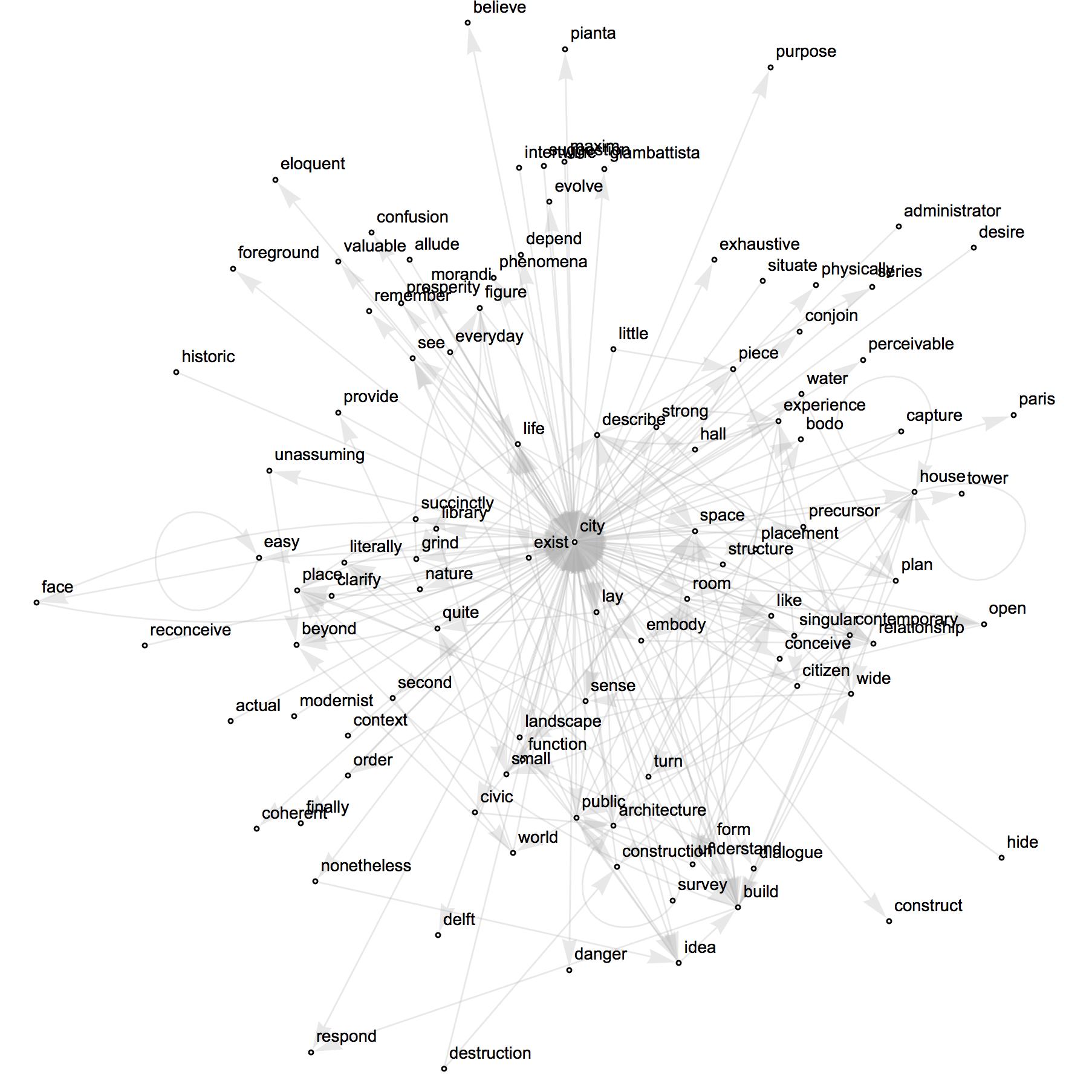
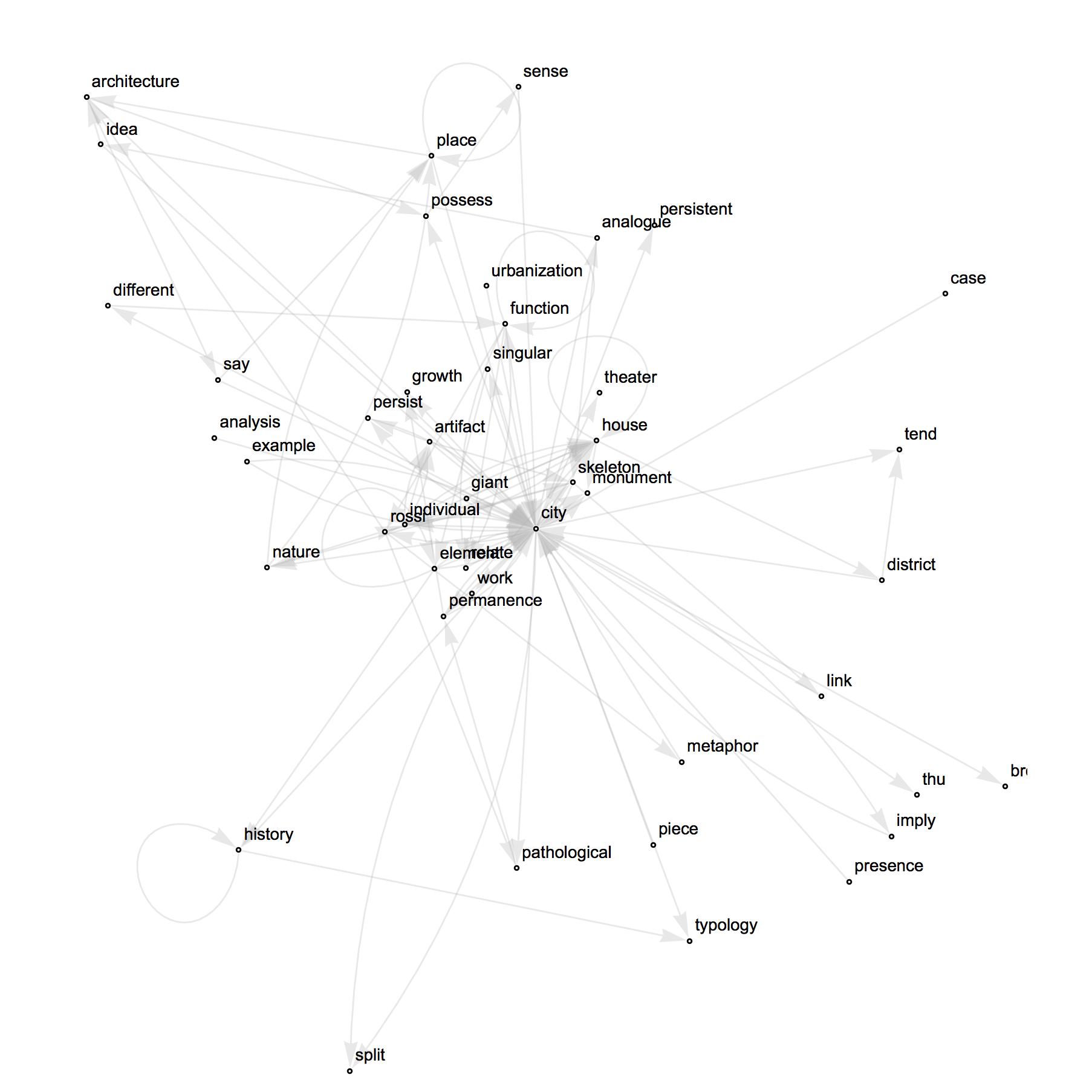
Aldo Rossi

The city is composed of many people seeking a general order that is consistent with their own particular environment.
In the first, the city is derived from an analysis of political, social, and economic systems and is treated from the viewpoint of these disciplines; the second belongs more to architecture and geography.
The city is in its history.
The city is seen as the human achievement par excellence; perhaps, too, it has to do with those things that can only be grasped by actually experiencing a given urban artifact.
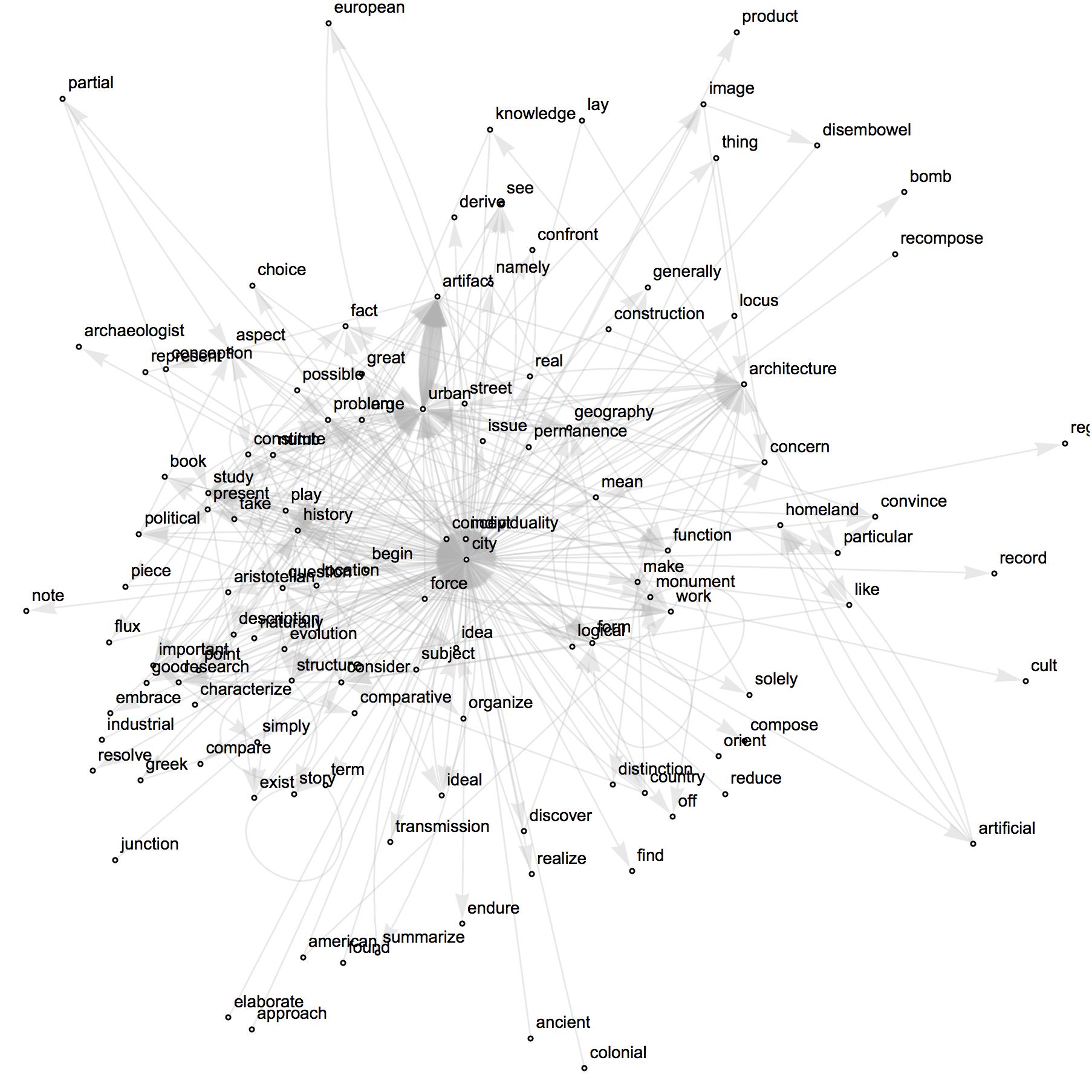
Peter Eisenmann

For Rossi, the city is a theater of human events.
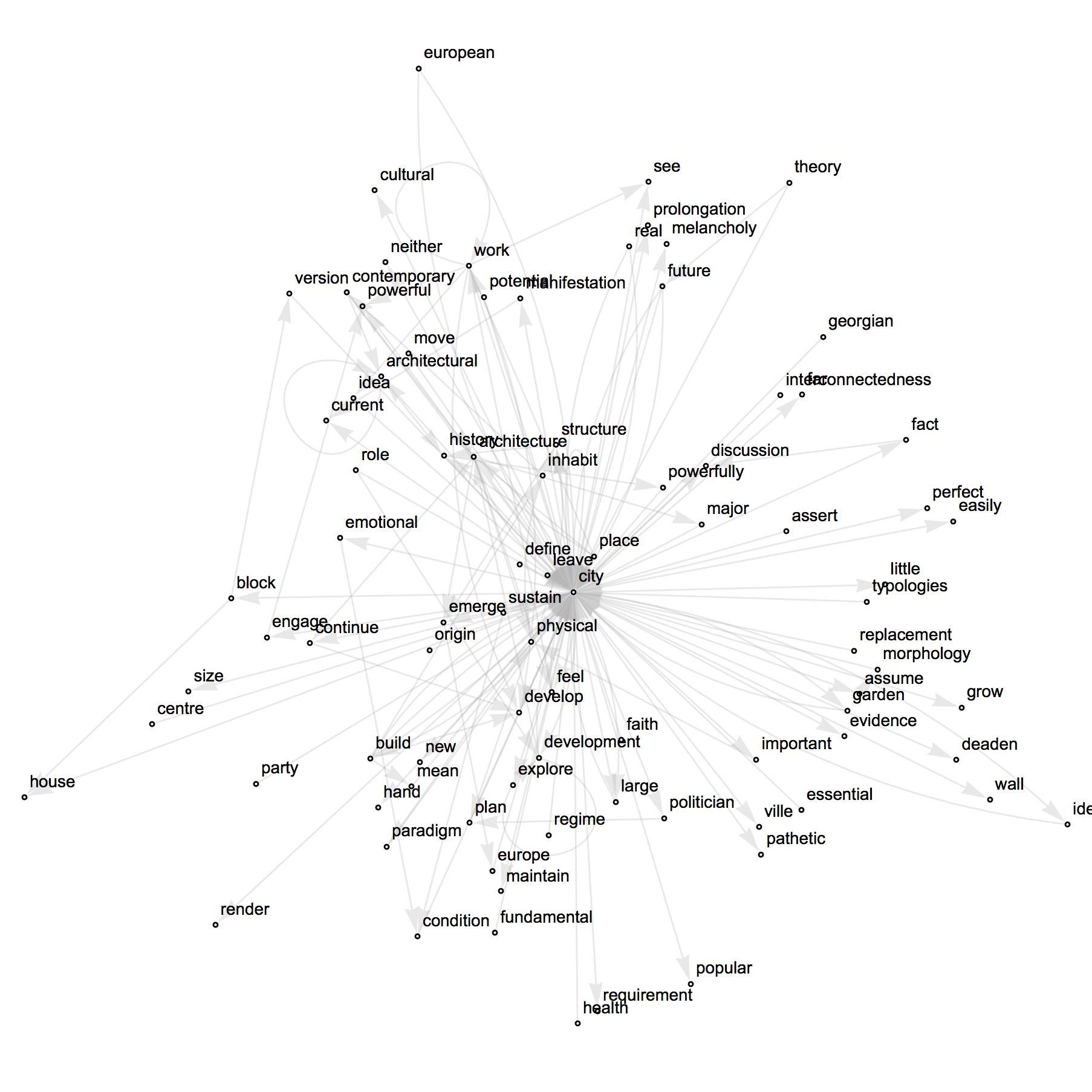
Adam Caruso

Similarly, the feeling of being in the city is not easily confused with being in a shopping mall, or being in a theme park, and most people are sensitive to these differences.
Thought of this way, rather than being an imperfect manifestation of an abstract theory, the city is a perfect and vivid instance of reality.
In Europe the longevity of this process means that cities have become important physical repositories of a place’s history, but even more powerfully the city is a manifestation of a particular living culture, of reality.
The complexity and interconnectedness of the city is sustained by such instances of profound invention.
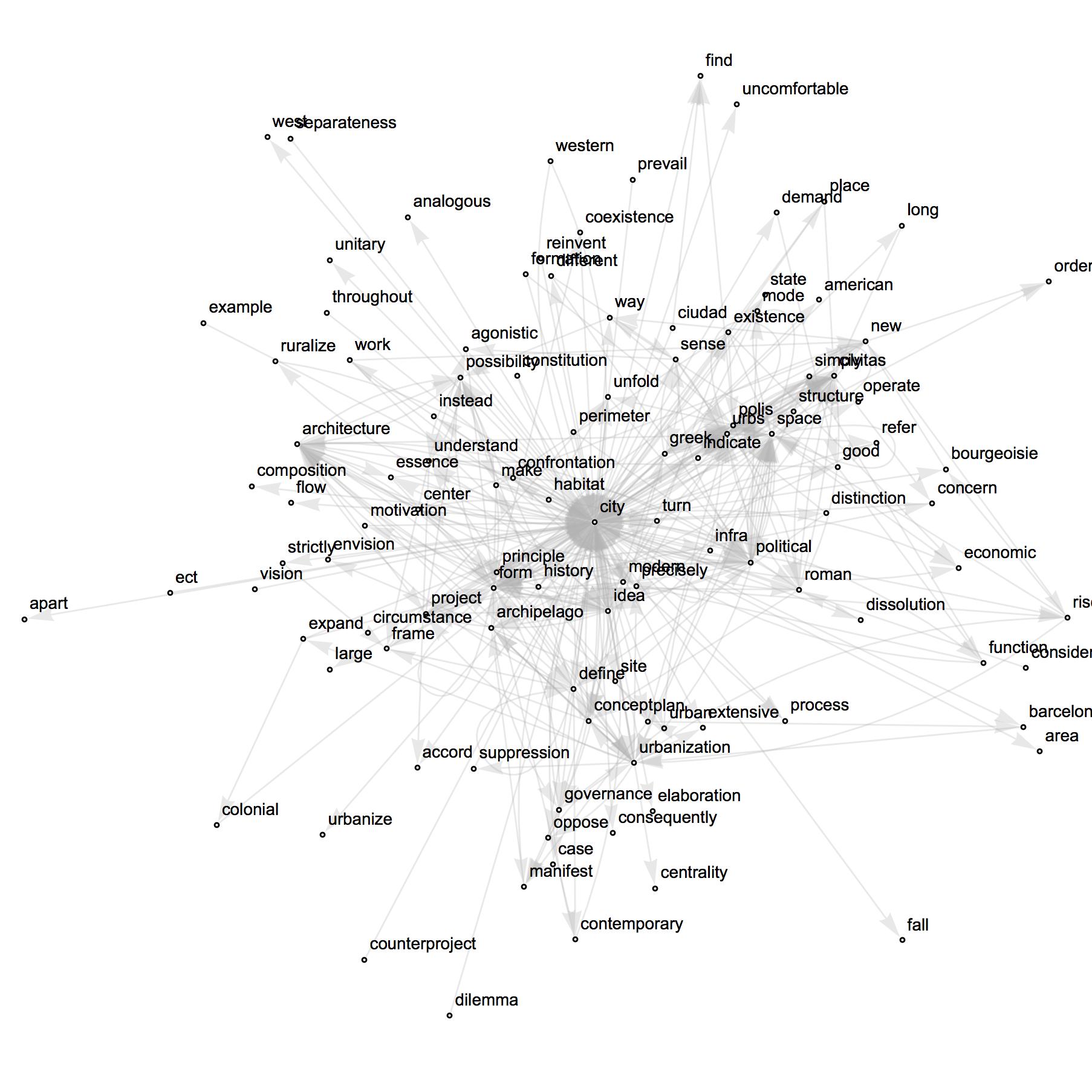
Pier Vittorio Aureli

It is precisely within the rise of the space of urbanization that architecture as the project of the finite, and thus separated, form(s) can be read as critical, inasmuch as it both obeys the managerial principle of urbanization and its extensive logic of total integration, yet makes explicit and tangible the inexorable separateness of the city, since the city is made not only of flows but also of stoppages, walls, boundaries, and partitions.
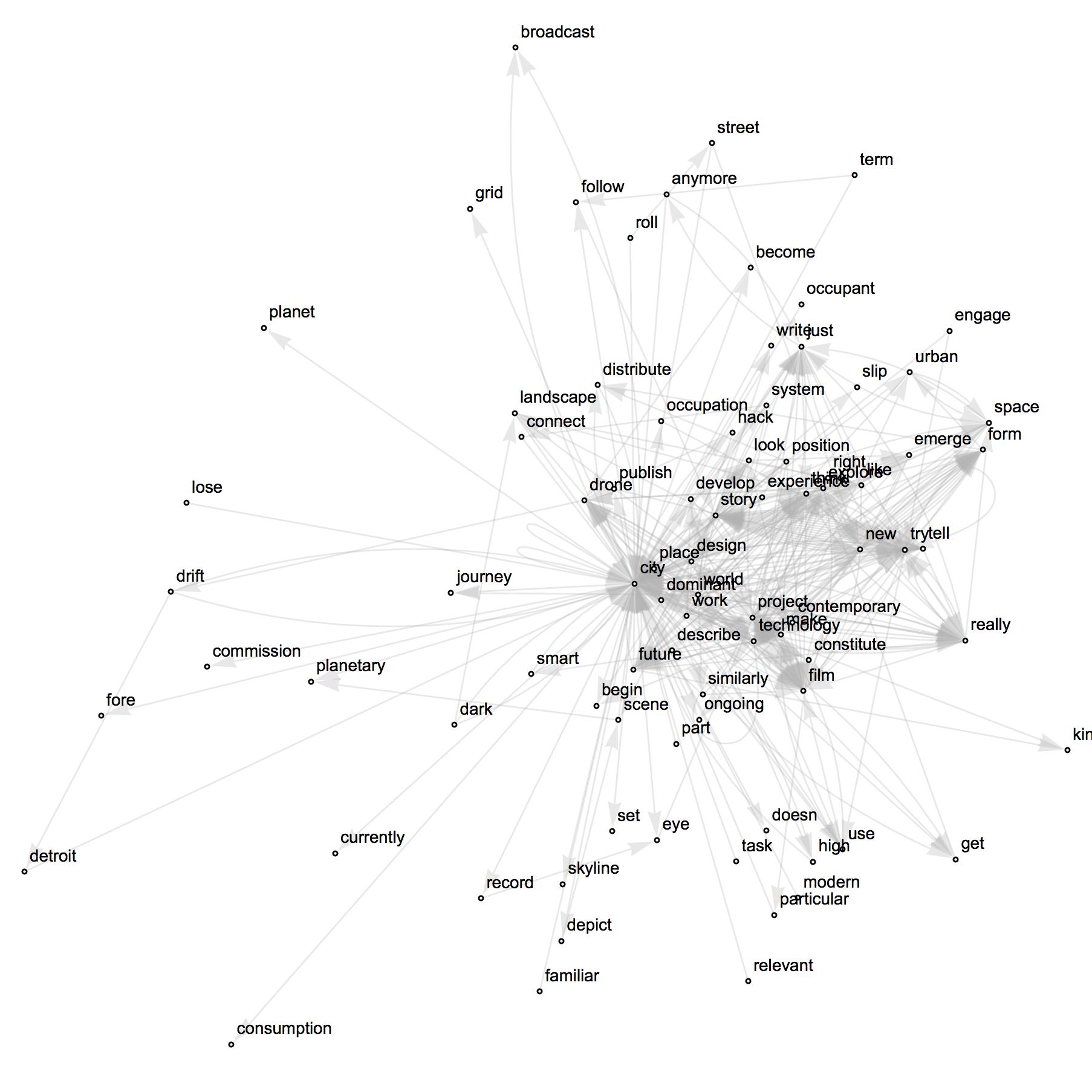
Liam Young

Set in the Chinese owned and controlled Detroit Economic Zone (DEZ) and shot using the same scanning technologies used in autonomous vehicles, the near future city is recorded through the eyes of the robots that manage it.
New city is an ongoing series of animated skylines of the near future.
Architecture once existed in singular sites and that’s the way we used to conceive of it, but now in a networked world the city is this planetary scaled construction.
Carlo Ratti

The real time city is real!
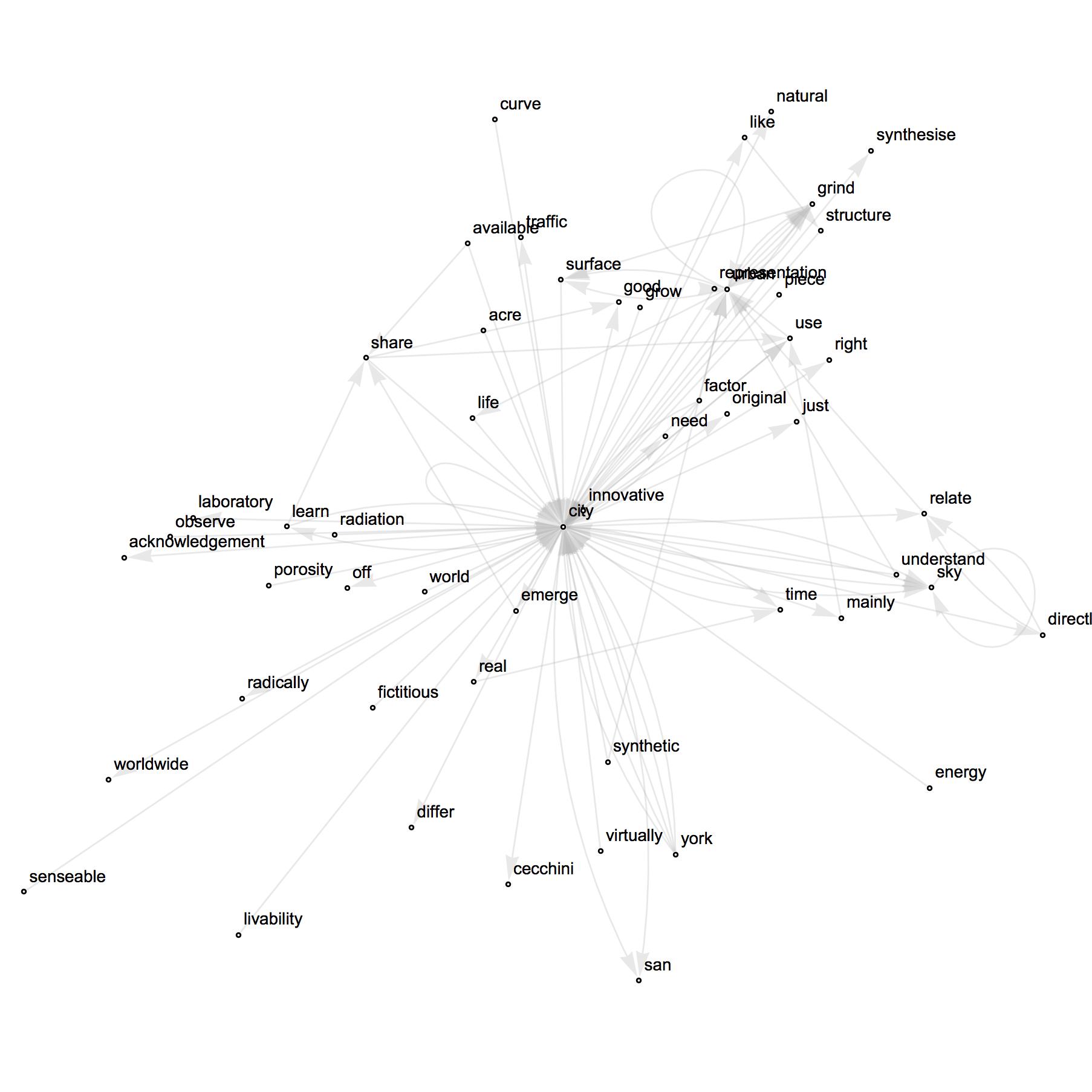
Urban Think Thank

The murder rate in the city is the highest in the whole of Latin America.
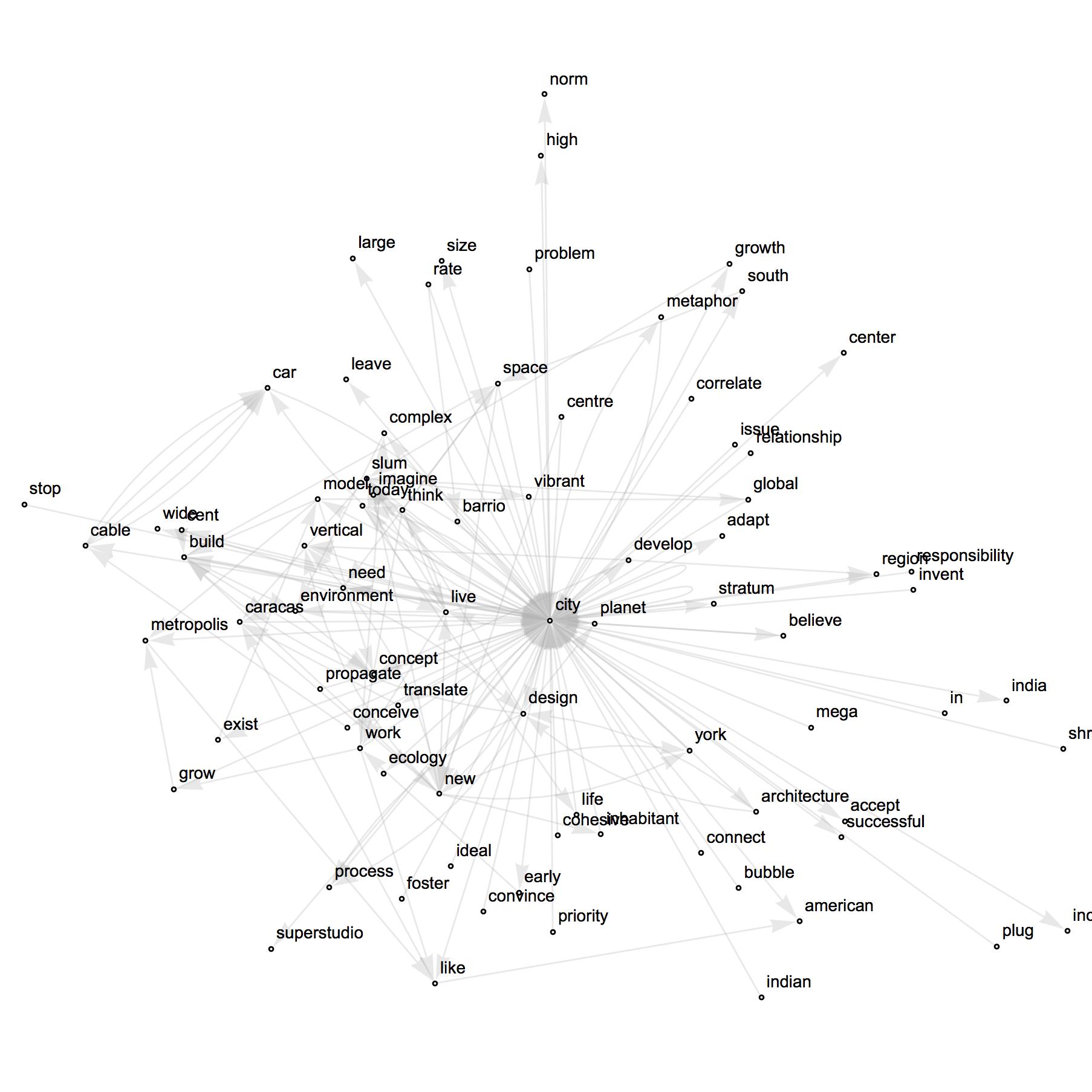
JDS

We realized that to make a vertical city is not to make a tower: A city offers a complex set of social and spatial interactions while a tower offers mostly one experience: an elevator to connect a series of repetitive floors.
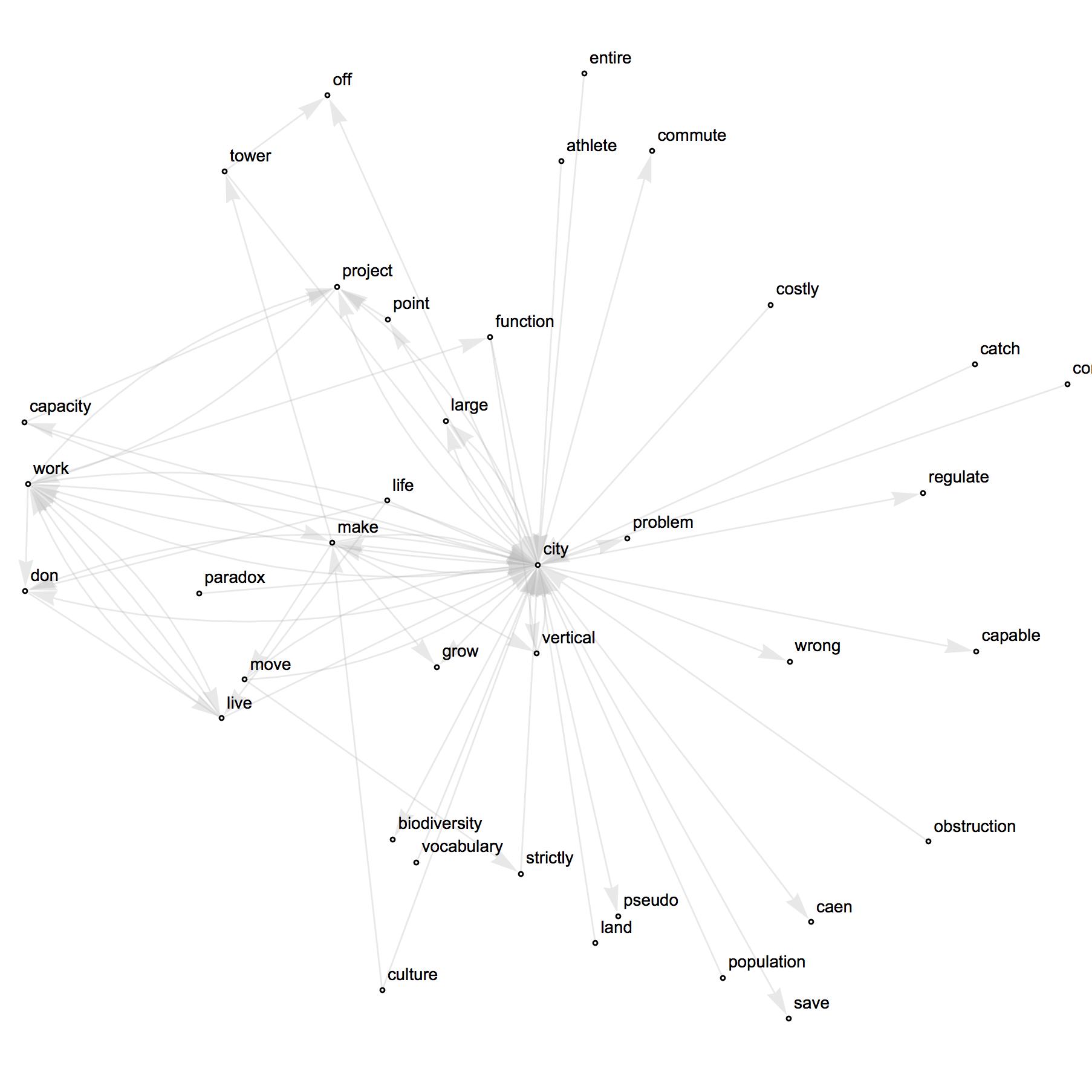
Team Mazzanti

In this context, the concept of learning in the city is a civic and educational ideal that underlines the urgency of transforming public space and social institutions.
Education in the city is the space for interaction among citizens.
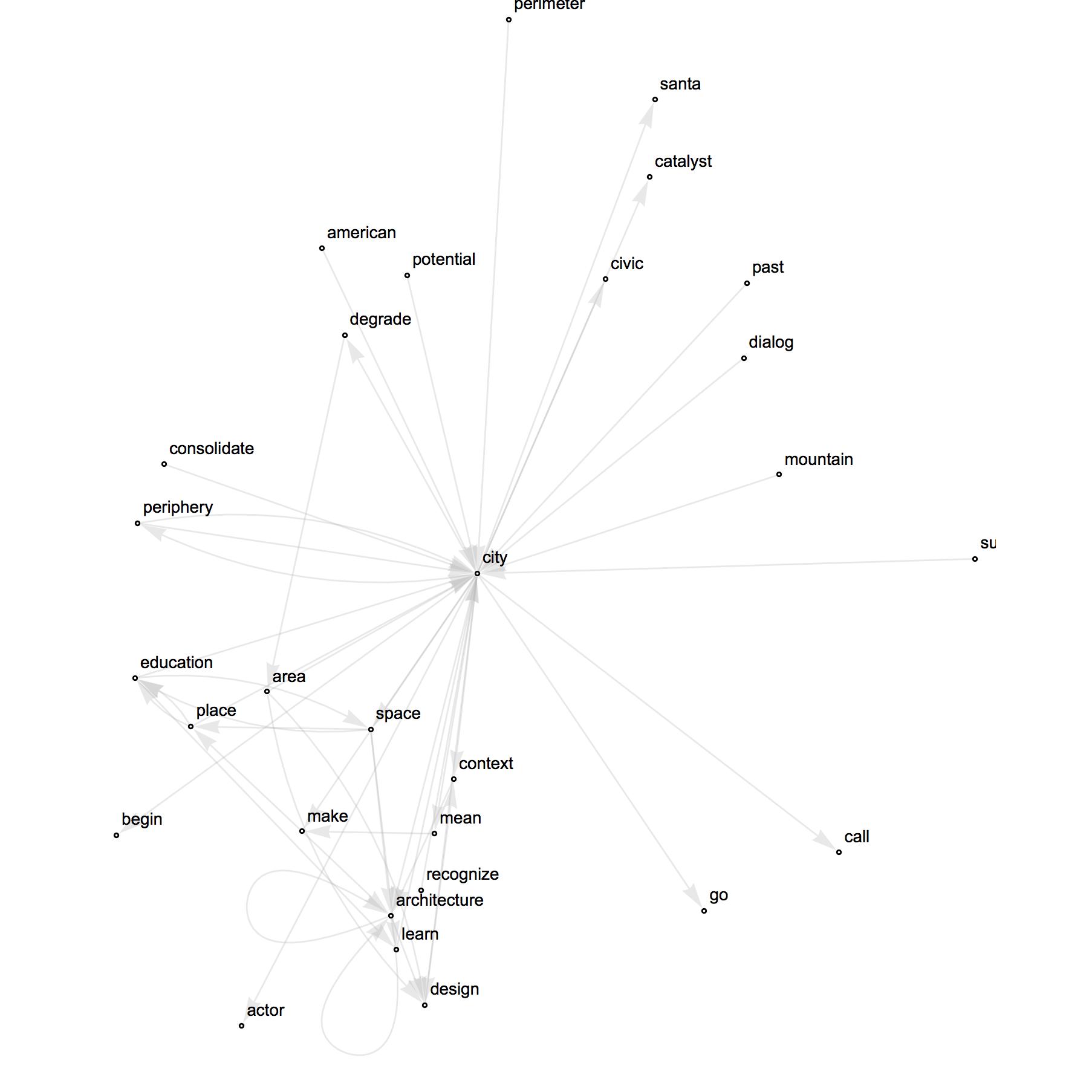
Thom Mayne

Which takes me back to the City; to me, the city is the most profound creation of humanity, continuously changing, evolving, mysterious and therefore in important ways unknowable.
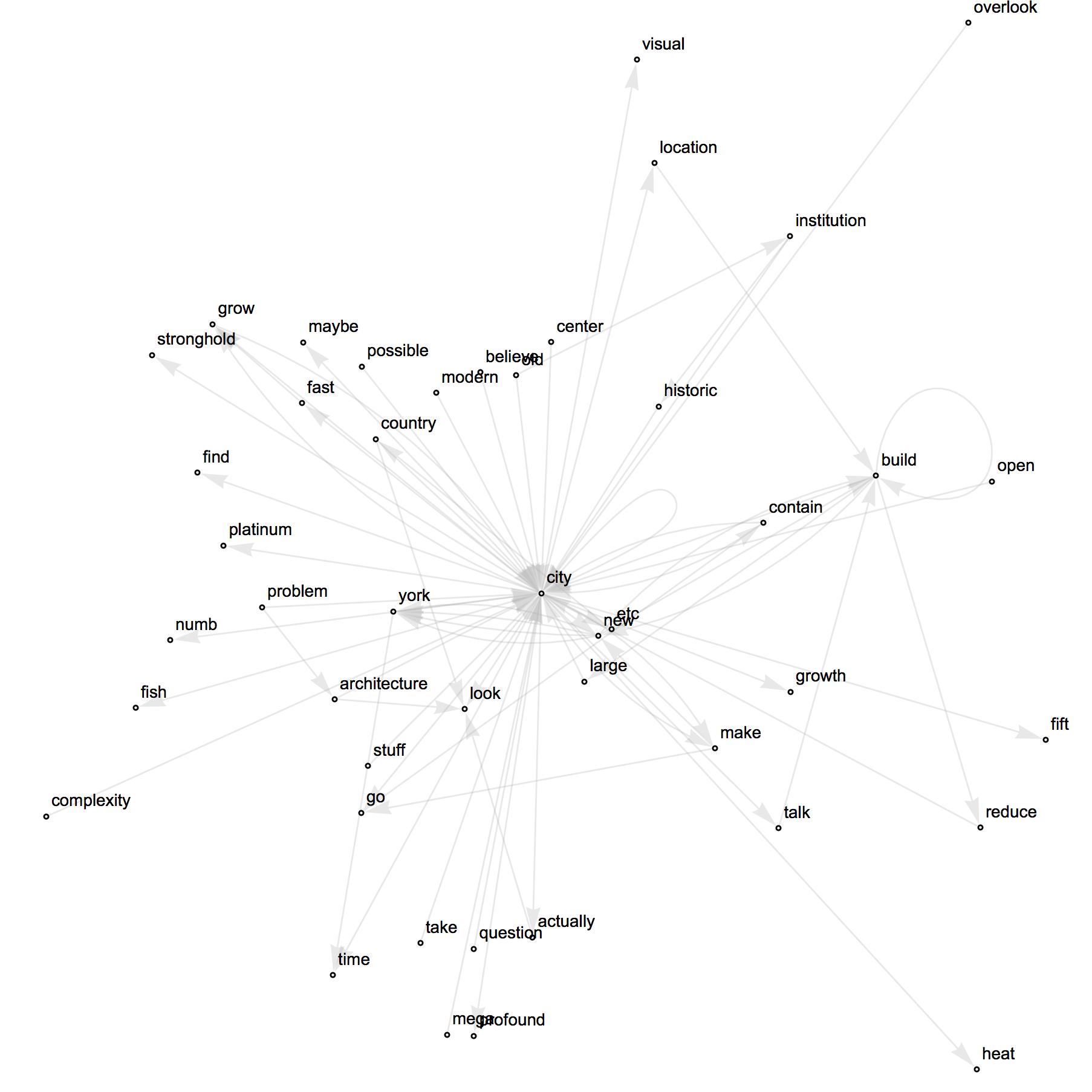
Norman Foster

The first scenario is the explosive growth of cities: the future of the city is the future of society.
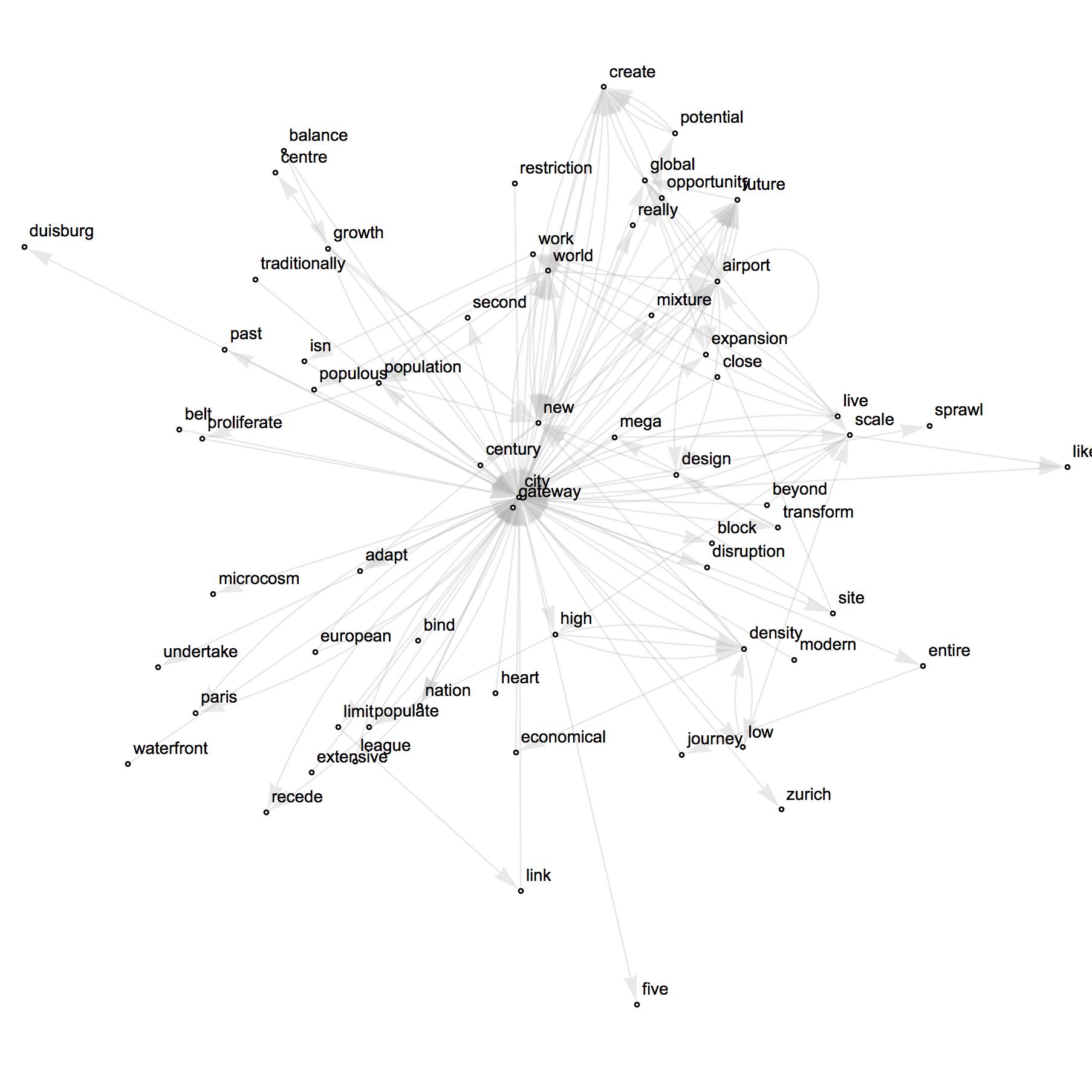
David Kohn

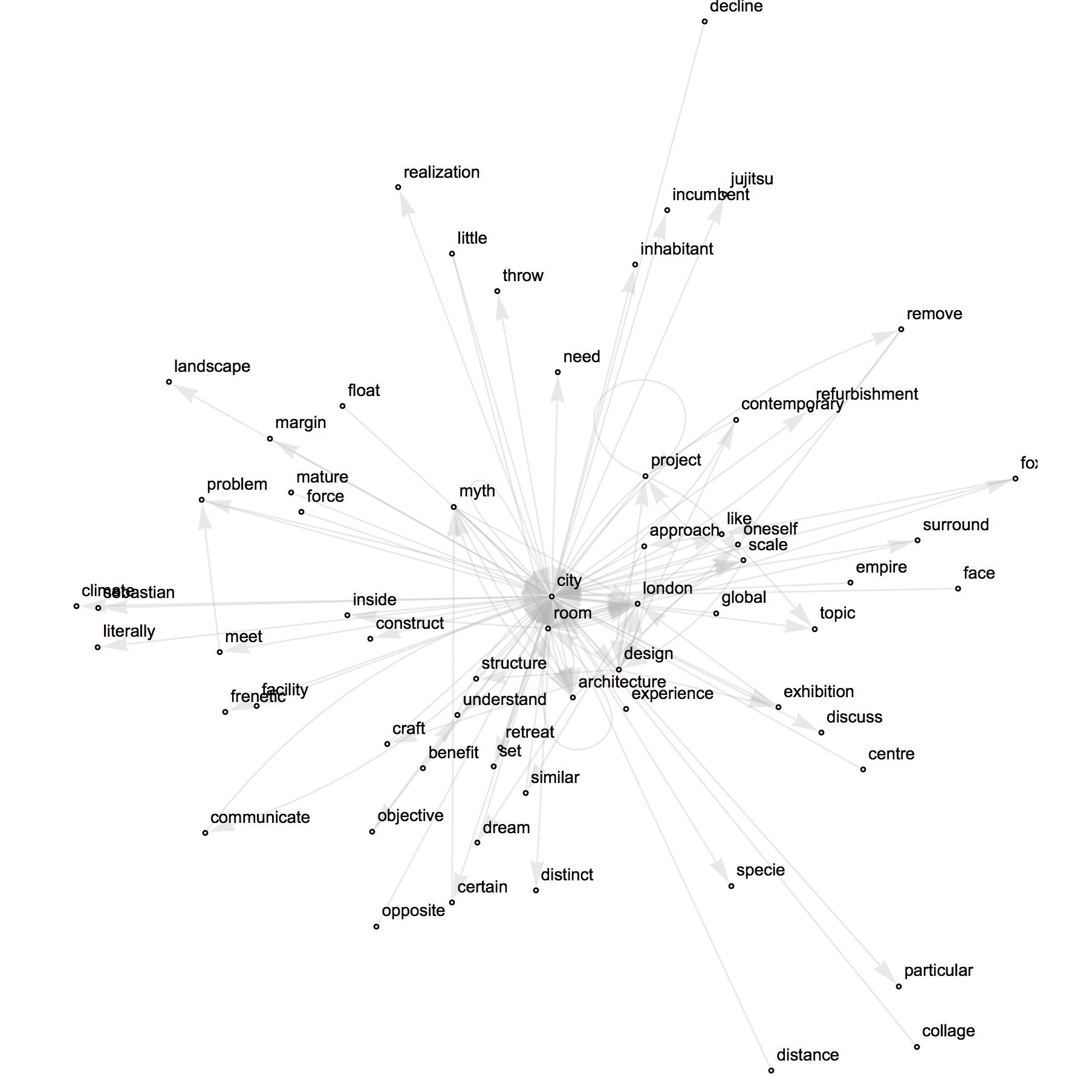
How does the contemporary city communicate who the city is made for?
the main issue is that for the fox, one’s city is the topic, whereas for the hedgehog, one’s own architecture (or oneself) is the topic.
The first is that the Room and the city are distinct and in some ways opposites: the city is a “frenetic
Ecosistema Urbano

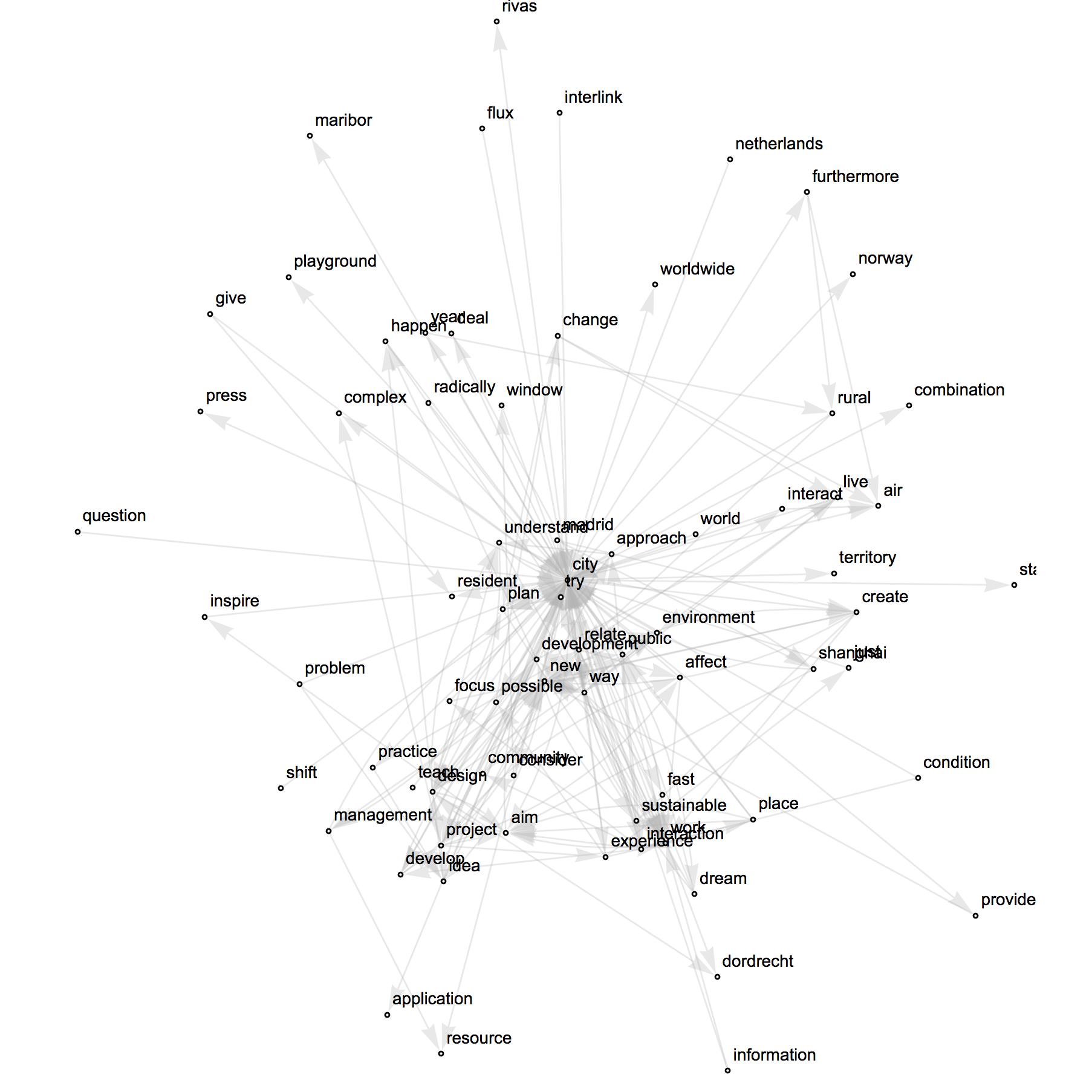
We believe the architect’s work in the city is a statement and from that point of view our work should be didactic promoting a more respectful attitude towards urban environment.
Dream Your City Dream Your city is an application of the network design methodology which transforms of an urban space and activates a networked community that supports it and cares for it at every stage of the design process and after it’s materialization.
n an urbanizing world, the city is considered the ultimate model and the measure of all things.
COBE

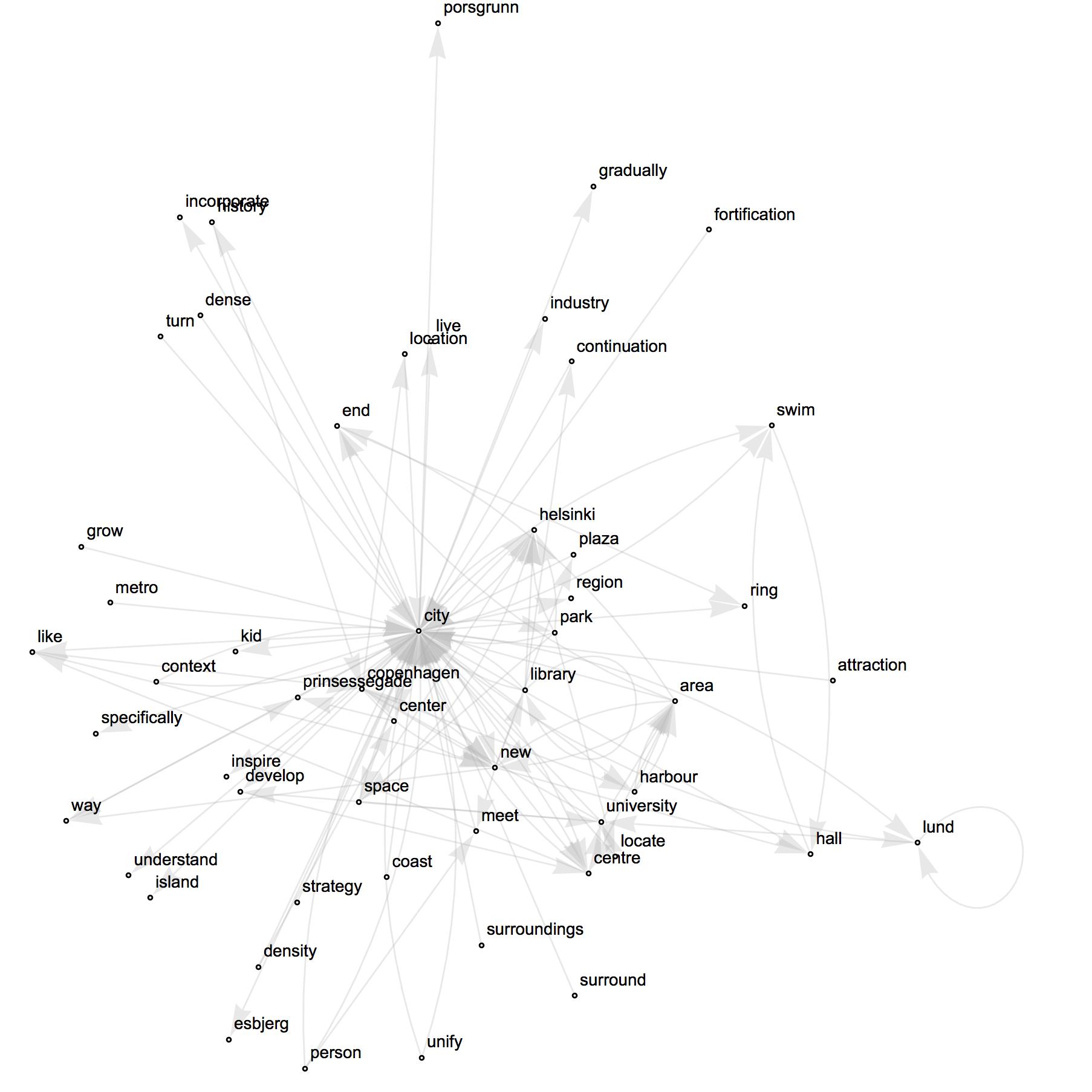
The library city is inspired by the diversity and density of the city, as it incorporates venues of different thematic characters and qualities within a single building.
Rojkind

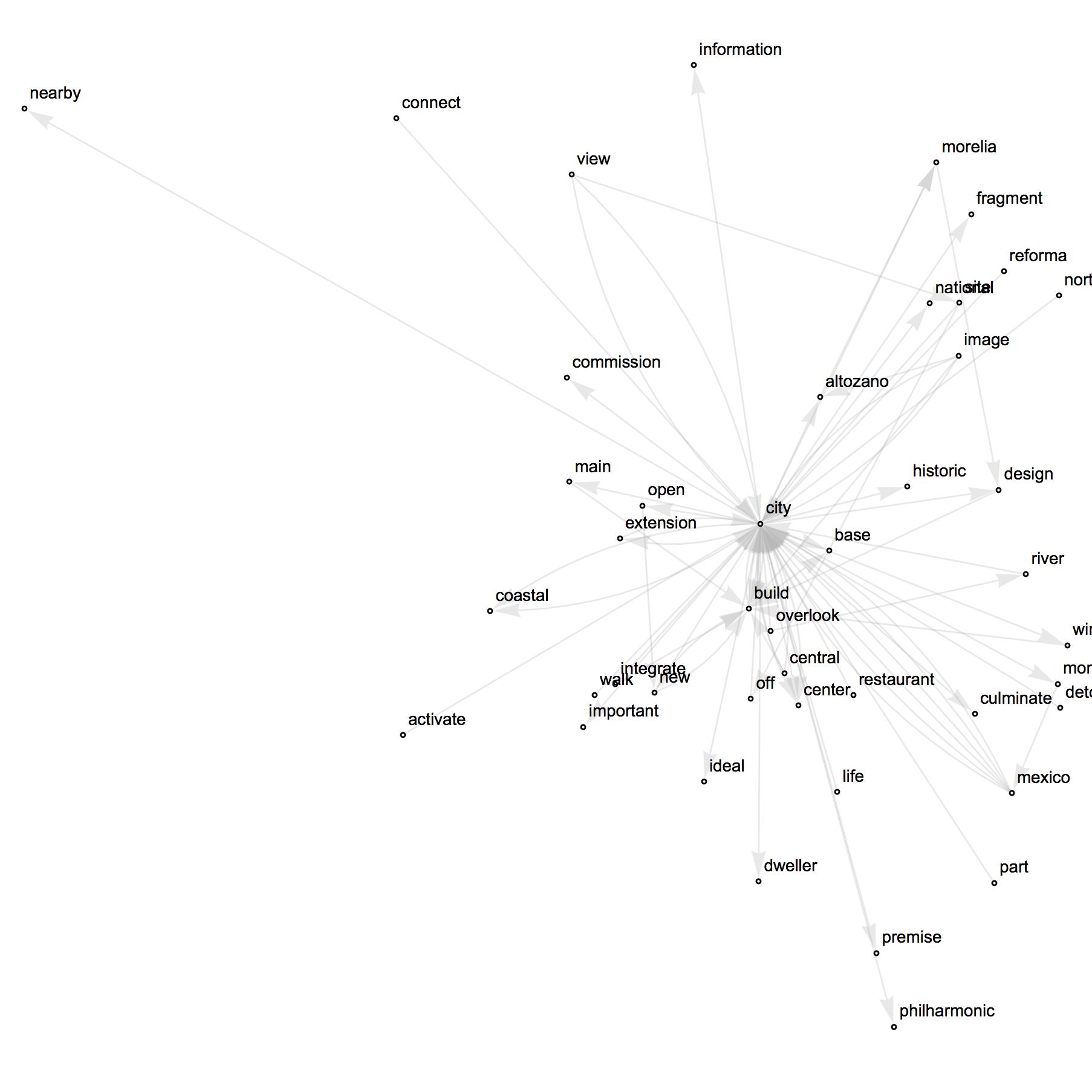
The ramping street as an extension of the city is an ideal venue for local talent to showcase their work and offer their products.
Nameless

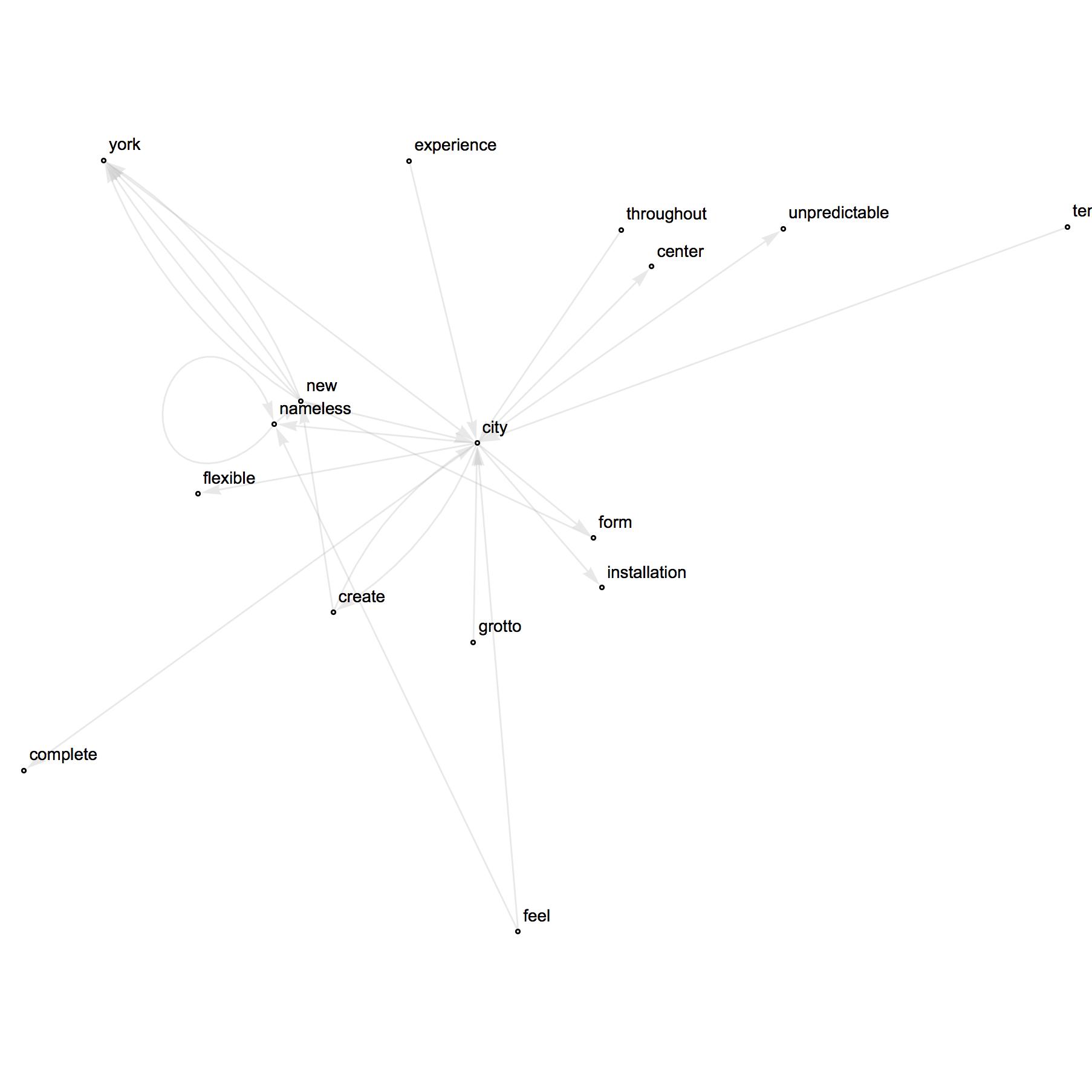
The proposed temporary city is to be created on top of the existing rigid infrastructure, prompting a more active experience of the city by unpredictable interventions.
This new city is flexible, soft and lumpy, rather than being fixed, flat and hard.
Supermachine Studio

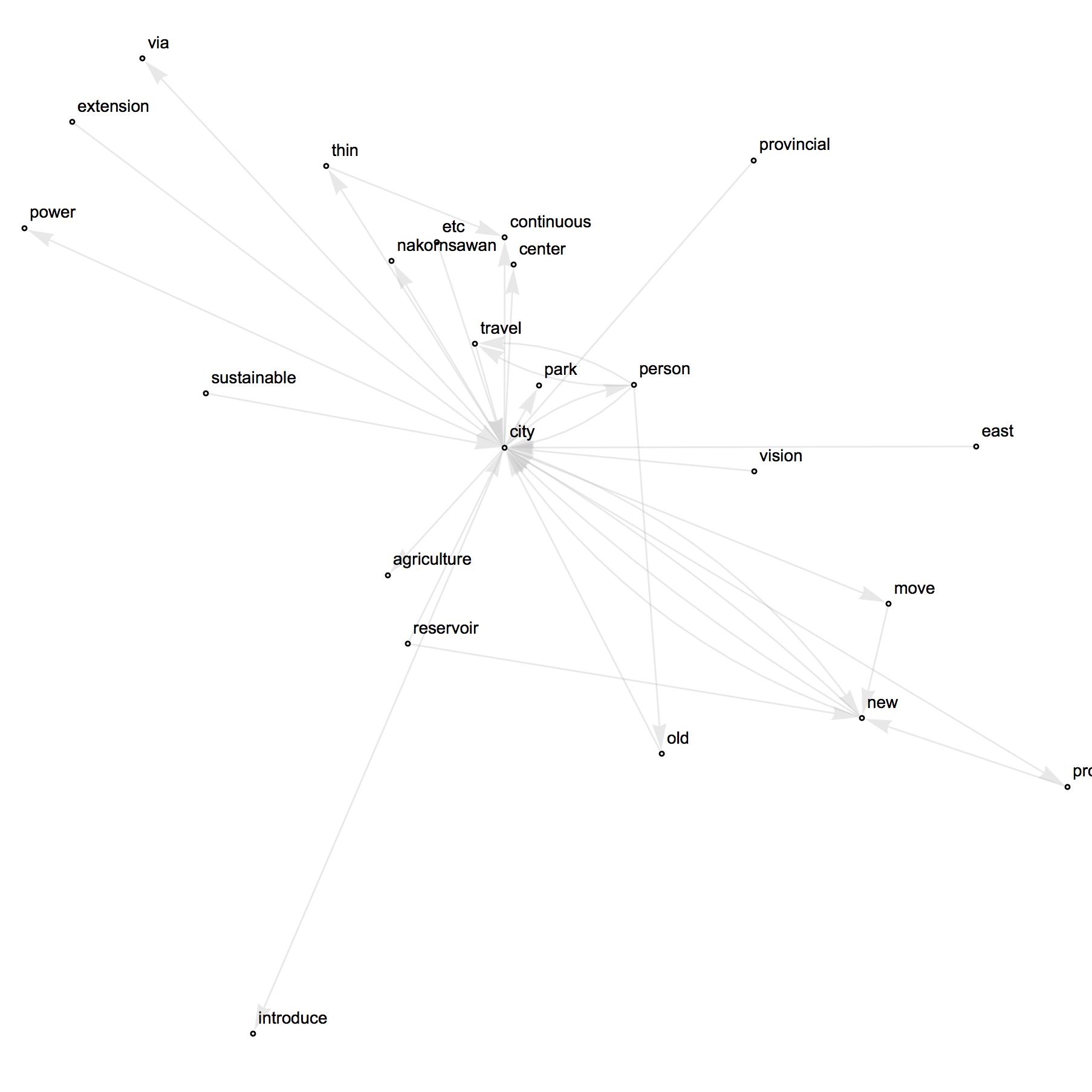
In our vision, the city is one continuous architecture netting on the giant water device.
Lacaton Vassal

What is valuable for us is this idea of complexity, because the existing city is so complex, and we think that as architects, we have to deal with it.
The city is then made of many fragments connected and intersected with one another.
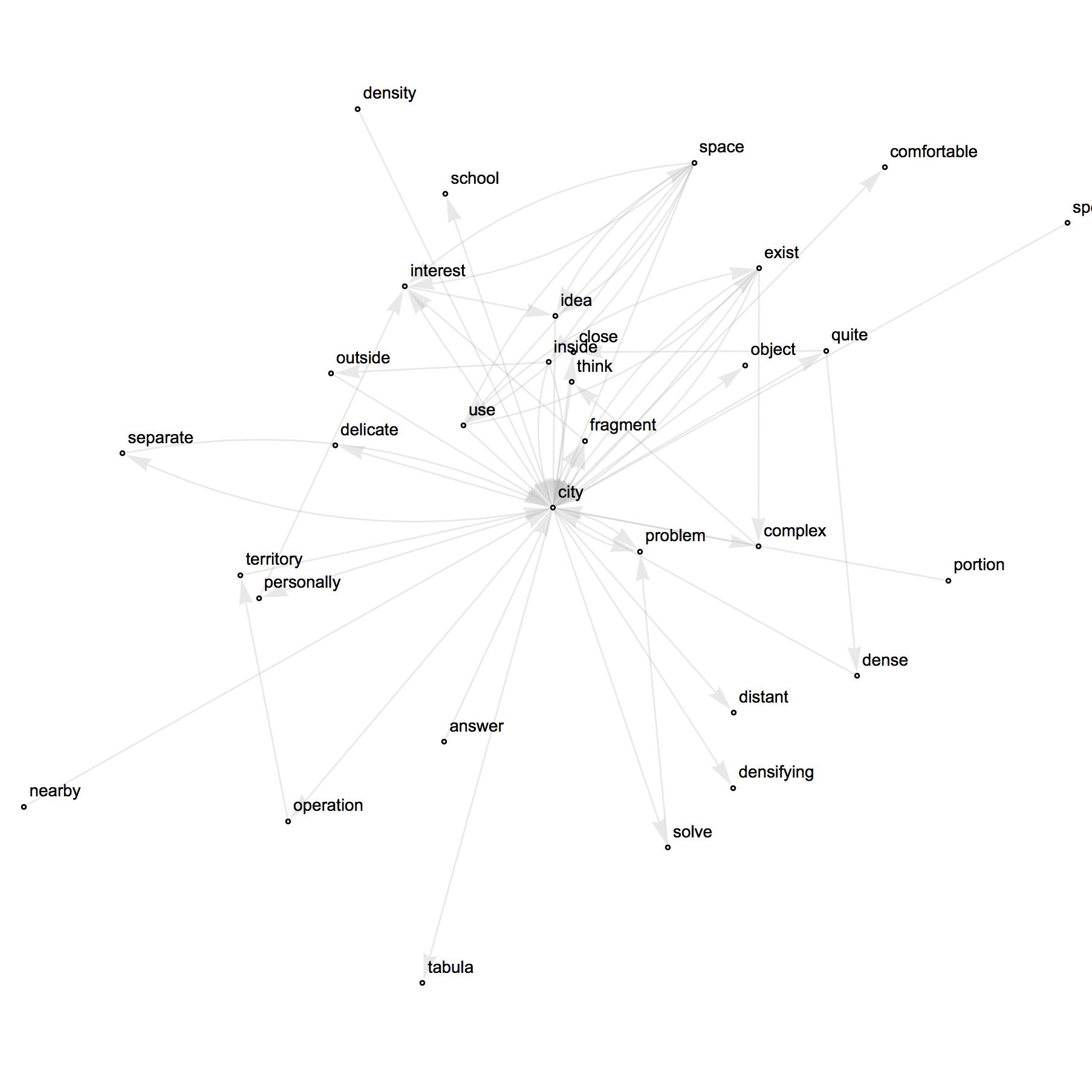
Ovaj eksperimentalni rad je nastao kao dio istraživanja koje se bavi temom ‘modela i digitalne pismenosti’ na katedri za “Computer Aided Architectural Design” pri ETH u Zürich-u u suradnji s Dianom Alvarez Marin. Više o istraživanju na katedri CAAD ETH pogledajte ovdje: caad.arch.ethz.ch
Više o autoru:
www.miro.romanvlahovic.com
www.romanvlahovic.com