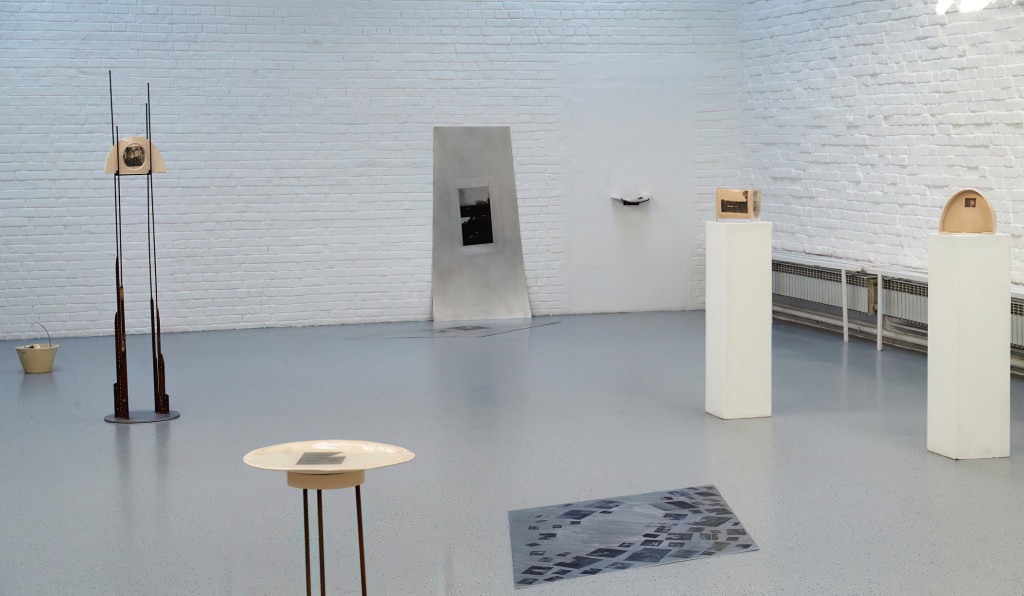
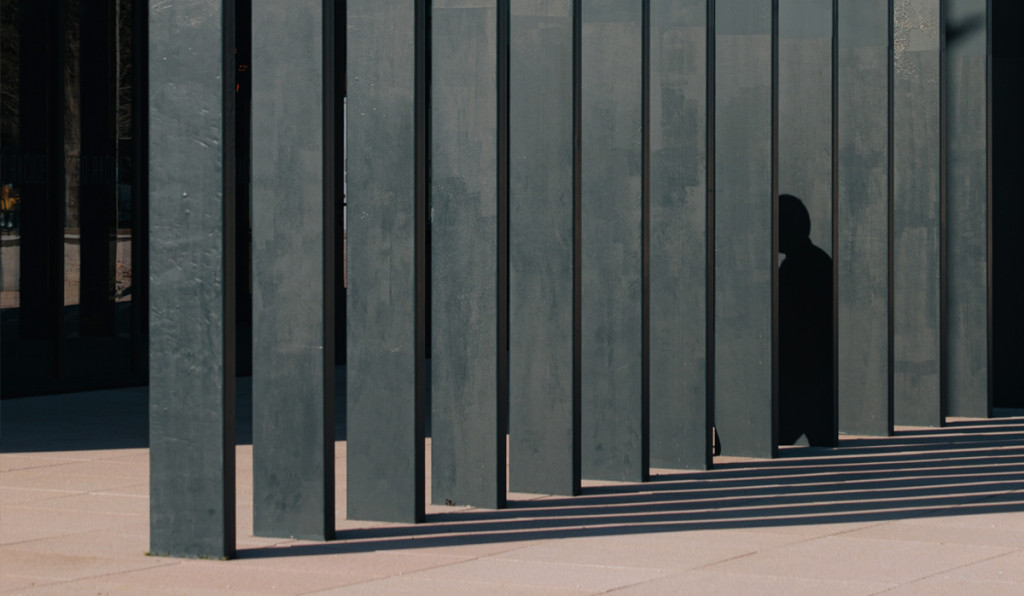
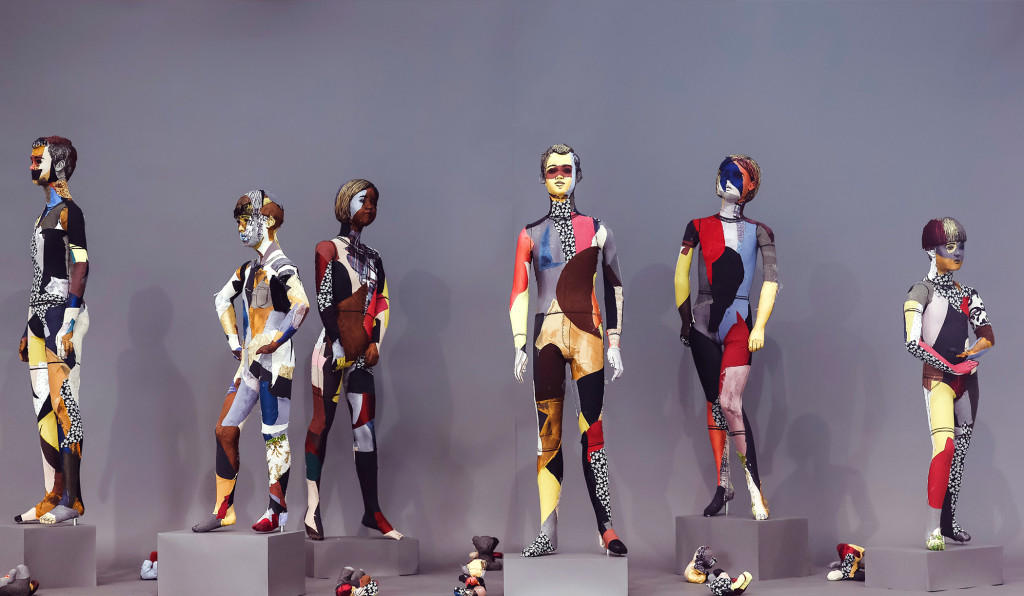
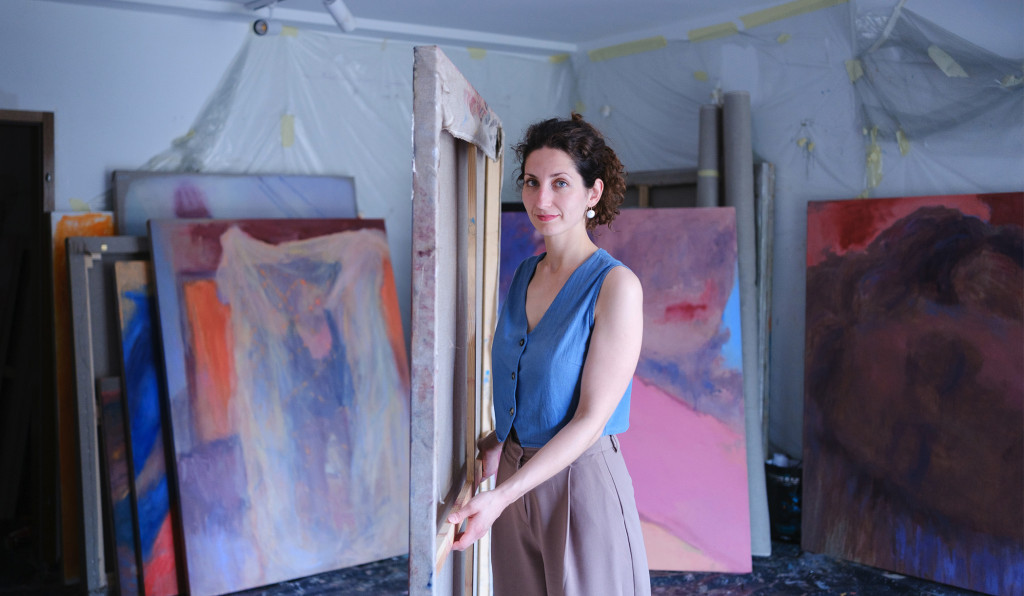
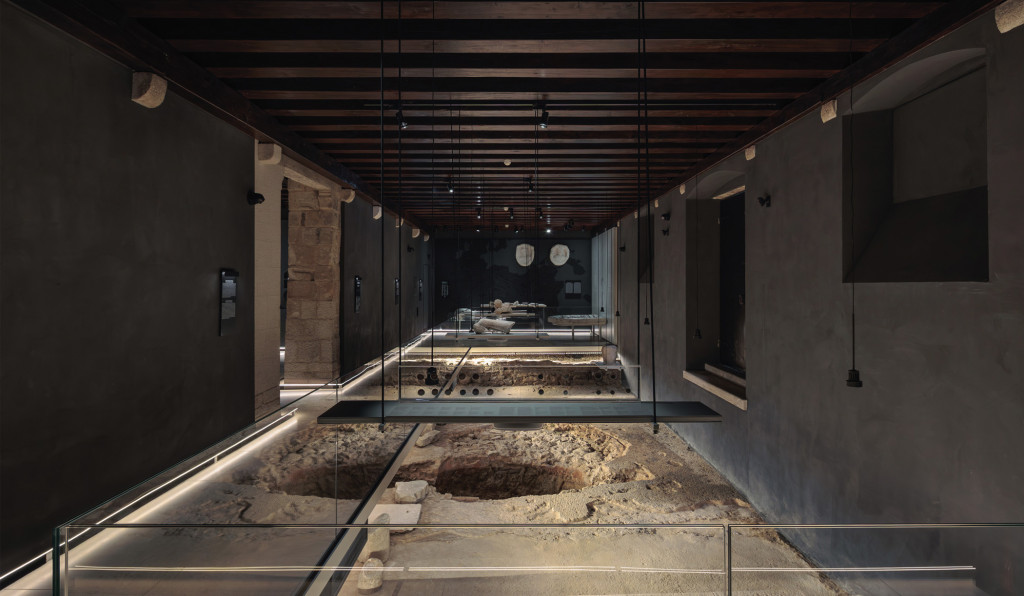
Swiss artist Esther Mathis will present her work to Croatian audience at the Spot Gallery in Zagreb. The opening of the exhibition entitled Museum Light will take place on Monday June 4th at 7 pm, when the artist and the curator of the exhibition Petra Tomljanović will held a short conversation (link). On Wednesday June 6th at noon Esther will conduct a lecture on her own artistic practice and elements that she uses in her installations and photographs: space, time and light.
As an introduction to the exhibition, we asked Esther a few questions about her work!
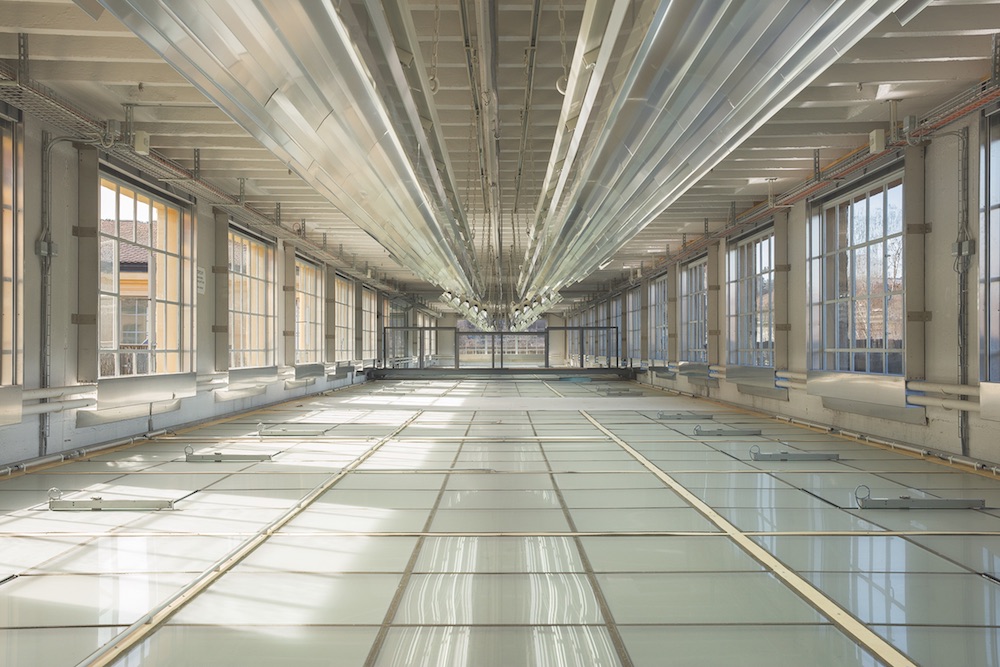
*Esther Mathis: Museum Light (Spring), Kunstmuseum Winterthur (2018.)
► What will you present at the Spot Gallery?
Esther Mathis: For the last four years I have been working on a project regarding light spaces in museums. These spaces are built hidden away from the visitors above the main exhibition space with the sole purpose to filter and control the natural and artificial light in order to protect and illuminate the artworks at the same time.
During my research and my many visits to different museums in different countries my interest in them grew with every passing month because of new information and impressions. At Spot Gallery for the first time I will show photographs of the museum that has the biggest light space in Switzerland: The Aargauer Kunsthaus. Beside the two photographs I’m showing a timelapse video made in spring, which is one part of a four part installation that I will finish this fall. I’m recording the light and the weather that the lightspace at the Kunstmuseum Winterthur has to filter and ward off during all four seasons, in order to protect its collection beneath.
I changed the space of Spot Gallery into an upside-down world introducing elements such as neon lights and curtains used in light spaces to channel and organise the incoming light into the different spaces underneath.
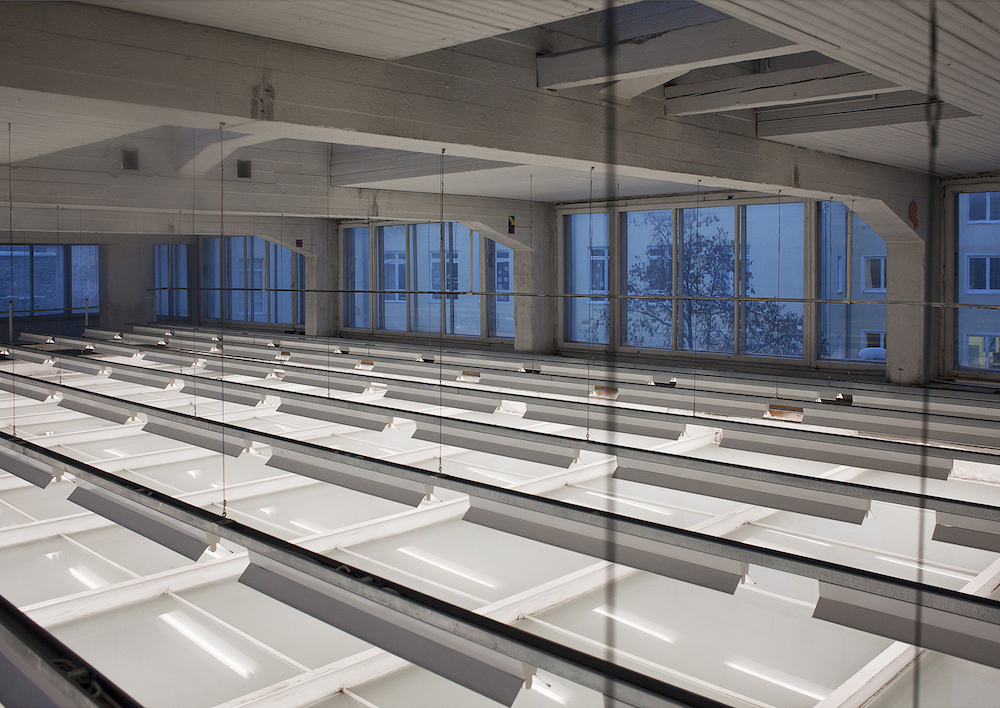
*Esther Mathis: Museum Light, Tallinn Arthall (2015.)
► How did you find out about this special type of museum spaces – the lightspaces – and make the first visit there? What is most interesting to you about this spaces?
Esther Mathis: In 2014 I was invited to do a jubilee edition for the 100th birthday of the Kunstmuseum Winterthur, the city I grew up in. I wanted to record the dust settling in all the different spaces in the museum during the 100th year. I recorded the dust by placing little glass plates in different spaces, instructing the cleaning crew not to touch them. After one year, I collected them and printed the dust drawings in the darkroom. As a result I chose one print.
When I was placing the glass plates, the caretaker of the museum showed me all the rooms, including the lightspace over the main exhibition space. This space was so absurd – because it’s not made for humans, you can’t move around in it, it’s not isolated – I felt very intrigued by it and wanted to spend time in it. All the surfaces are fragile, it’s all made of glass and lightbulbs. At first I was just very fascinated by it, and by the light in it. But the longer I worked on this project, my interest has shifted into its purpose of protecting objects from harsh light and everything else that might affect them.
► Could we say that these spaces are not intended to be seen, but – symbolically – they do make particular way of seeing art (and, consequently, thinking about it) possible?
Esther Mathis: I think they are mostly hidden because they can’t let people inside unattended for security reasons. But in a way I like that they are not officially part of the visitor tour – the light spaces act invisible in silence, we only see the results of their effort in a very unaware manner. But I’m convinced that on some level, unconsciously, every visitor looks at the works in a museum differently than if they were illuminated by some other light system. I don’t think that “seeing” art is only possible in a museum, but I think in a controlled environment such as museums are, we move and perceive differently. We are more aware of our bodies and what is in front of us. Shutting out everything else makes more room for details.
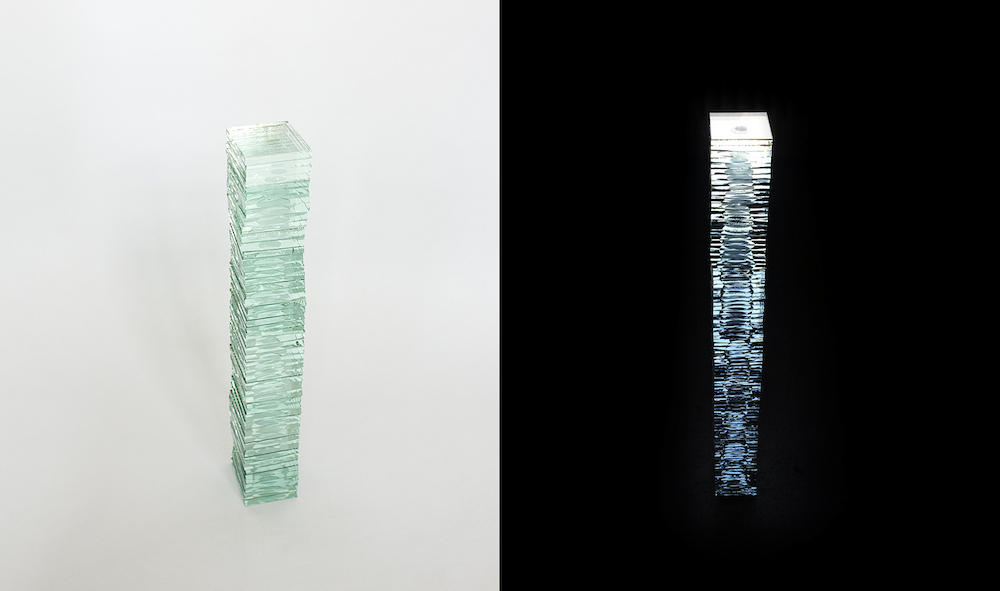
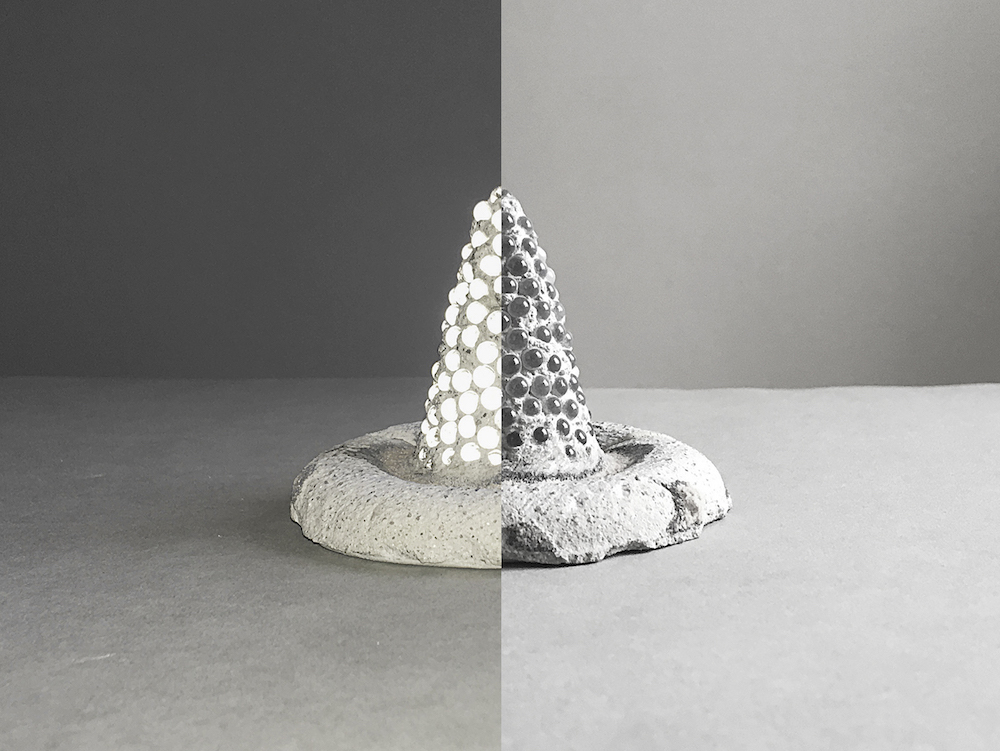
*Esther Mathis: Isolated Systems vol. II (2015.); Esther Mathis: test sample (concrete, glass and glass marbles)
► Exploring the light is one of your primary artistic interests. In what ways have you used the light as an artistic motif, theme and medium so far?
Esther Mathis: When I work with light I try to use it as a physical material that will never have the same shape.
Last year I have transformed the Kunsthalle Arbon into a big reflective drawing that changed depending on the time of the day and the weather, using 240 mirror panels. You could watch a constantly changing projection made by the sun and the Earth rotation (link).
I work a lot with glass because it can be invisible or transparent, change appearance always in dialogue with the light surrounding it. In a sculptural work of glass towers I used float glass and glue on top of each other. Depending on the thickness of the glass and the number of plates in contact with one another, the tower might simulate a mirror in which light bounces in between the horizontal surfaces. At each tower’s centre, a vertical shaft of glue drops appears that connects the plates but vanishes at the slightest shift in the viewer’s perspective.
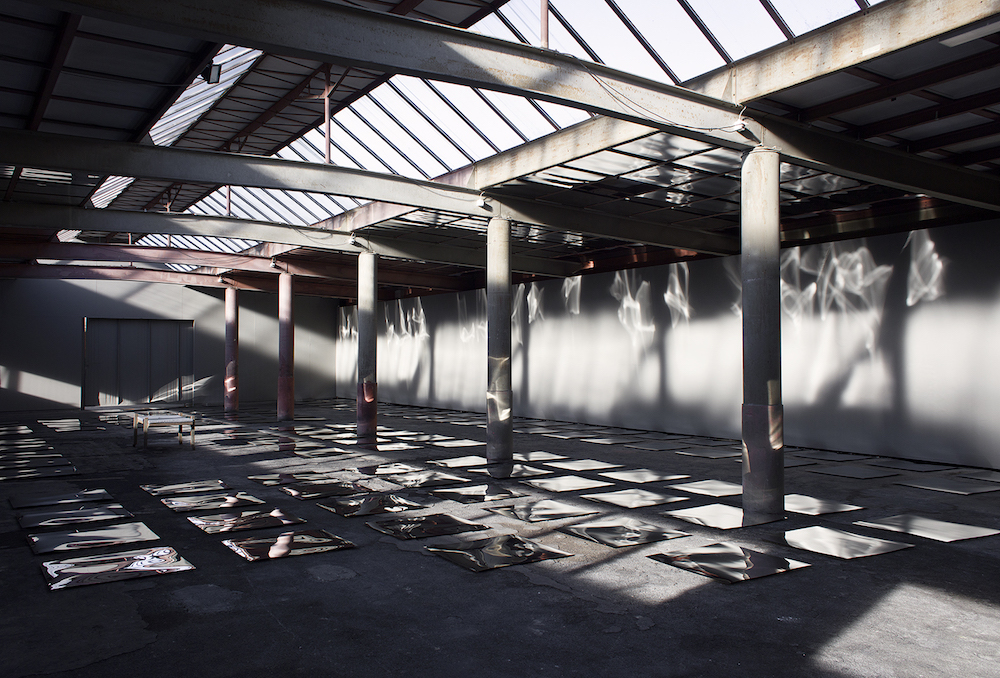
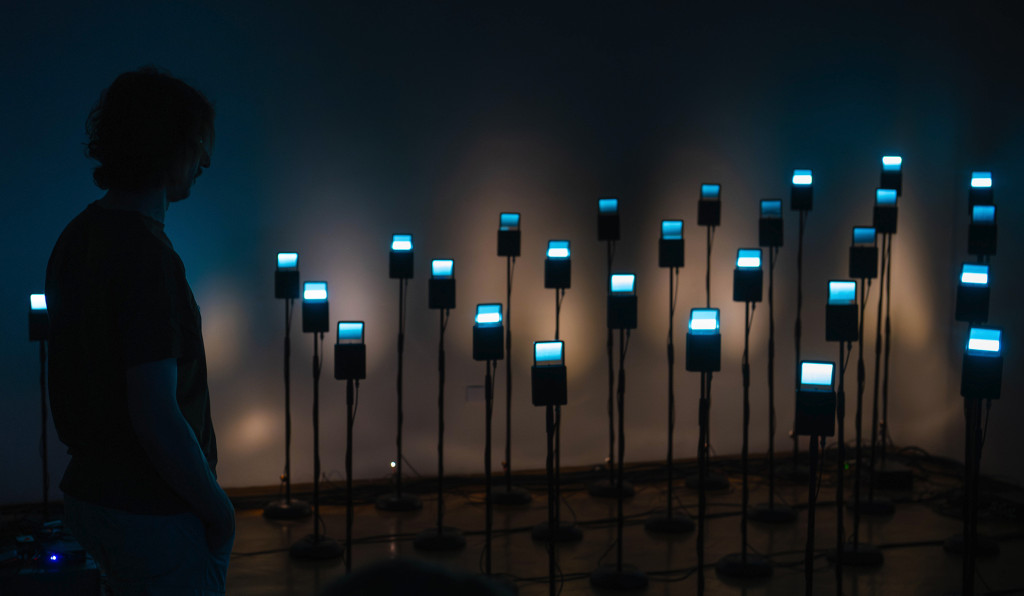
*Esther Mathis: Radiance (2017.)